
News
Stay up to date on the latest crypto trends with our expert, in-depth coverage.


Riot, SBI Crypto reach $20 million settlement in Texas bitcoin mining dispute
The Block·2026/03/03 10:09
Dow Jones futures fall as investors turn more cautious
101 finance·2026/03/03 09:15
The dollar keeps gaining momentum as the week begins
101 finance·2026/03/03 09:12
Spot Bitcoin ETFs see $458M in inflows as Mideast conflict widens
Cointelegraph·2026/03/03 09:09
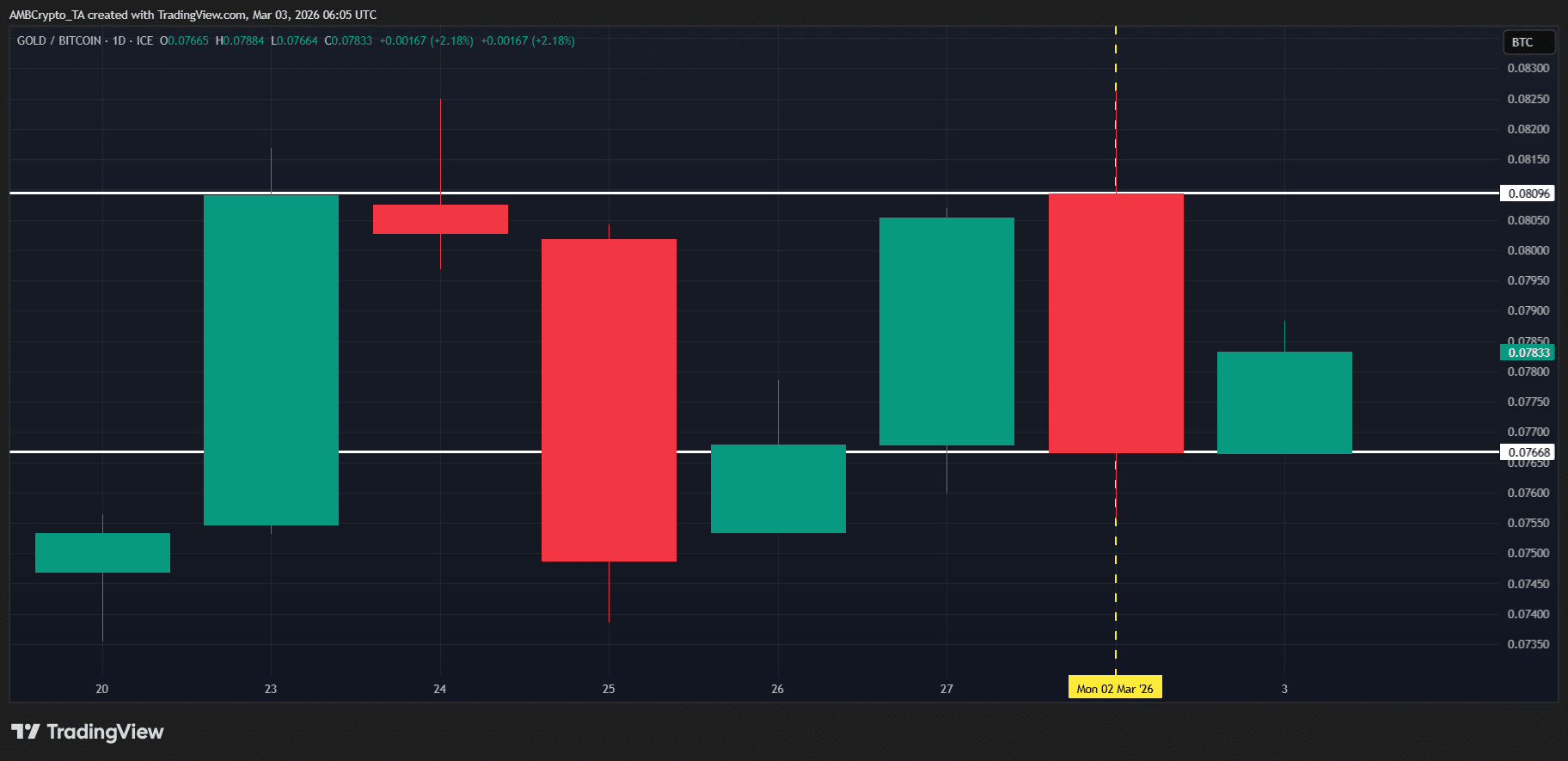
Why is crypto’s refusal to break under Iran-U.S. FUD bullish?
AMBCrypto·2026/03/03 09:03
USD/INR seems to extend gains on Wednesday amid US-Iran war
101 finance·2026/03/03 09:03
XRP Just Flushed All Weak Hands. Market Strategist Says Time to Pump
TimesTabloid·2026/03/03 08:21
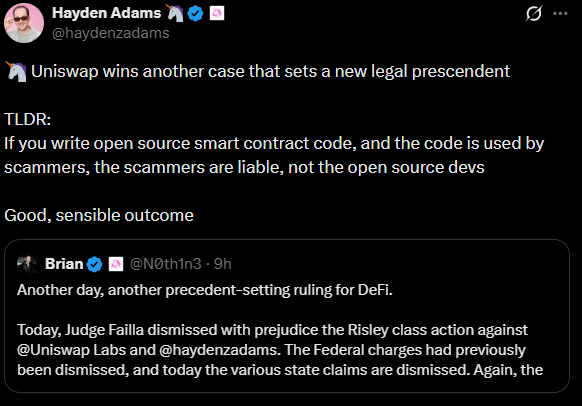
‘Scammers are liable’: Uniswap CEO reacts to landmark court dismissal
AMBCrypto·2026/03/03 08:15
Flash
00:32
Morgan Stanley increases its holdings by 166.24 BTC, reaching $288.4 million; a certain wallet received 500 BTC after a year of inactivity.According to Odaily, Onchain Lens monitoring shows that a certain wallet, after a year of inactivity, received 500 BTC from BitGo, valued at 32.31 million US dollars. Morgan Stanley also purchased 166.24 BTC from an exchange, valued at 10.74 million US dollars, and currently holds 4,515 BTC worth 288.4 million US dollars.
00:32
CITIC Securities: Sulfur prices decline, focus on the mid-term allocation value of fertilizer companiesAccording to Baichuan Yingfu statistics, as of June 21, the average market price of sulfur was 9,500 yuan/ton, with prices falling sharply after the easing of US-Iran tensions. In the short term, sulfur demand has experienced negative feedback due to declining phosphate fertilizer production, and if US-Iran tensions continue to ease, sulfur costs will inevitably return to a more rational range. Leading enterprises can ensure cost control through diversified methods such as securing supply sources and purchasing smelting acid. Since May, smelting acid prices have decoupled from sulfur prices due to limitations such as transportation radius. In the medium term, the phosphogypsum-to-sulfuric-acid production process is mature, and industry leaders possess the capital expenditure capability and planning required; after these leading enterprises' projects are gradually put into operation, domestic sulfur supply pressure will be greatly relieved. Fertilizer demand is less sensitive to oil price fluctuations and benefits from the upside potential during grain price increases. Transportation restrictions in the Strait of Hormuz, combined with rising international sulfur and gas prices, have pushed up global fertilizer prices. The impact of insufficient fertilizer supply during peak spring farming season and reduced willingness of farmers to use fertilizers may be reflected in grain prices later, around the second half of 2026 to the first half of 2027. Coupled with low downstream inventories, fertilizer demand is both defensive and offers upward potential.
00:31
South Korea's KOSPI Index falls by 2%Glonghui June 23 | The Seoul Composite Index in South Korea fell by 2%.
News