
News
Stay up to date on the latest crypto trends with our expert, in-depth coverage.

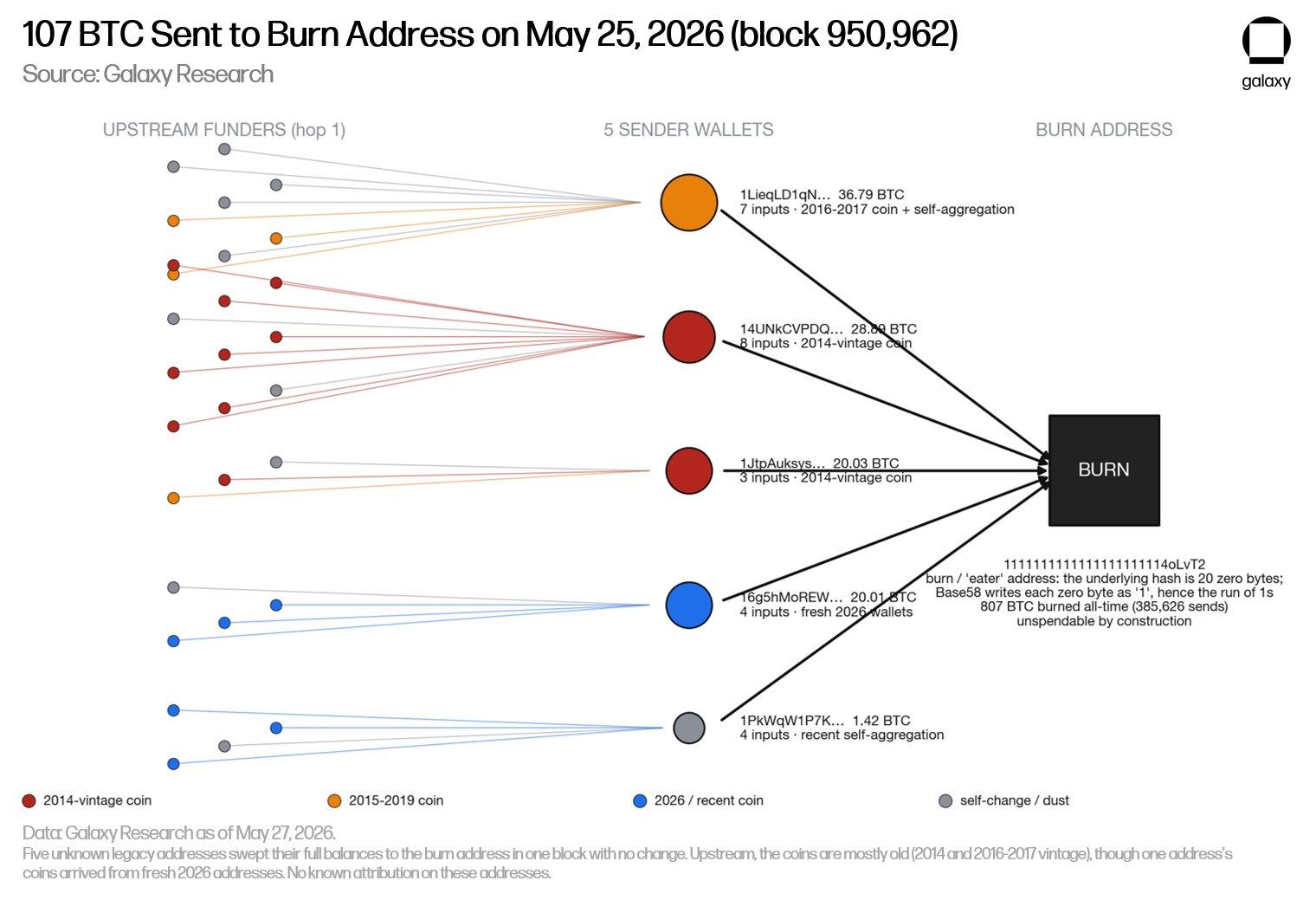
Mystery Bitcoin burn destroys 107 BTC worth about $8.5M
Cointelegraph·2026/05/28 11:12
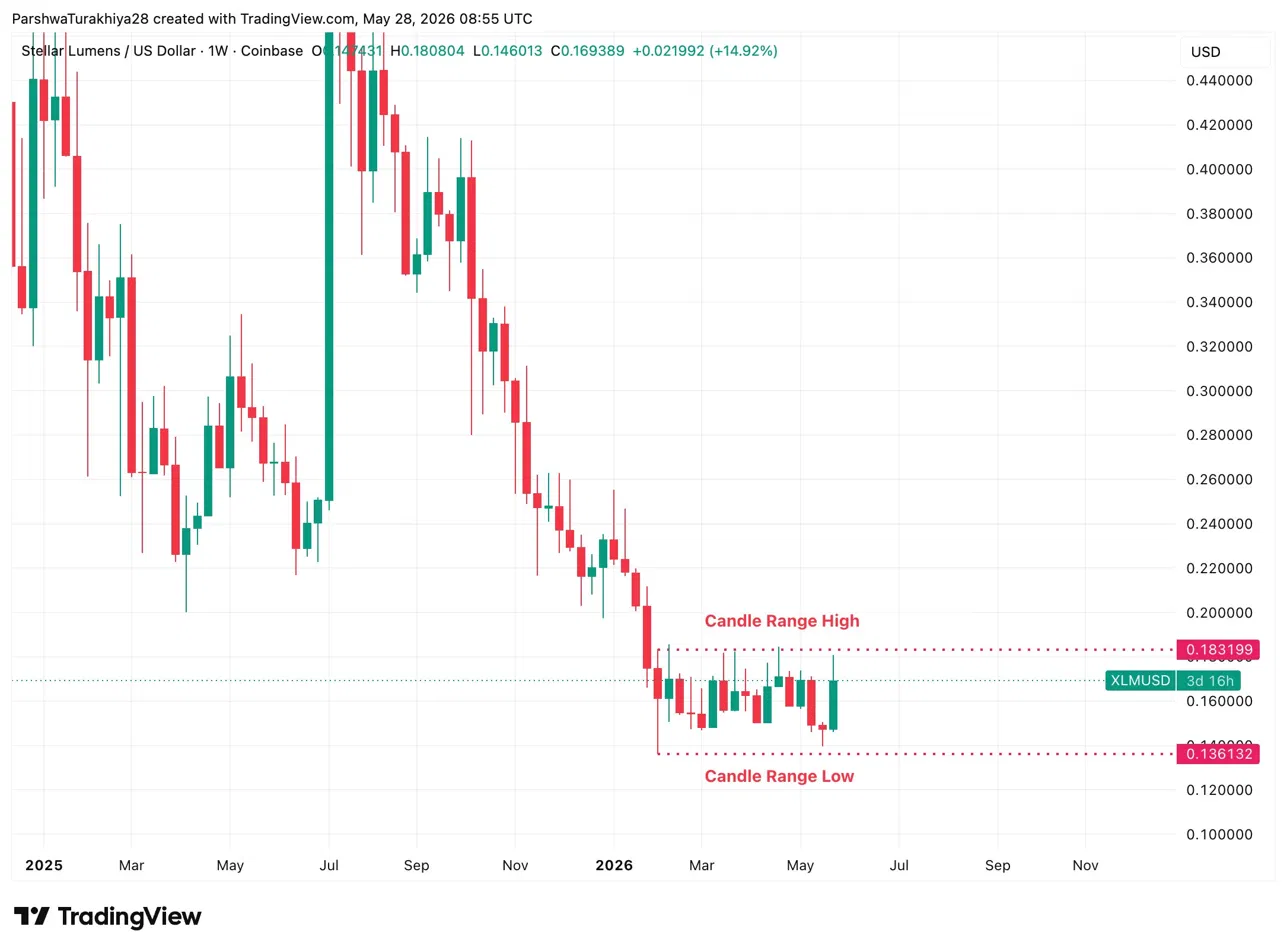
Stellar Price Prediction: XLM CRT Target Eyes $0.1850 as DTCC Picked in Tokenized Assets
CoinEdition·2026/05/28 11:03
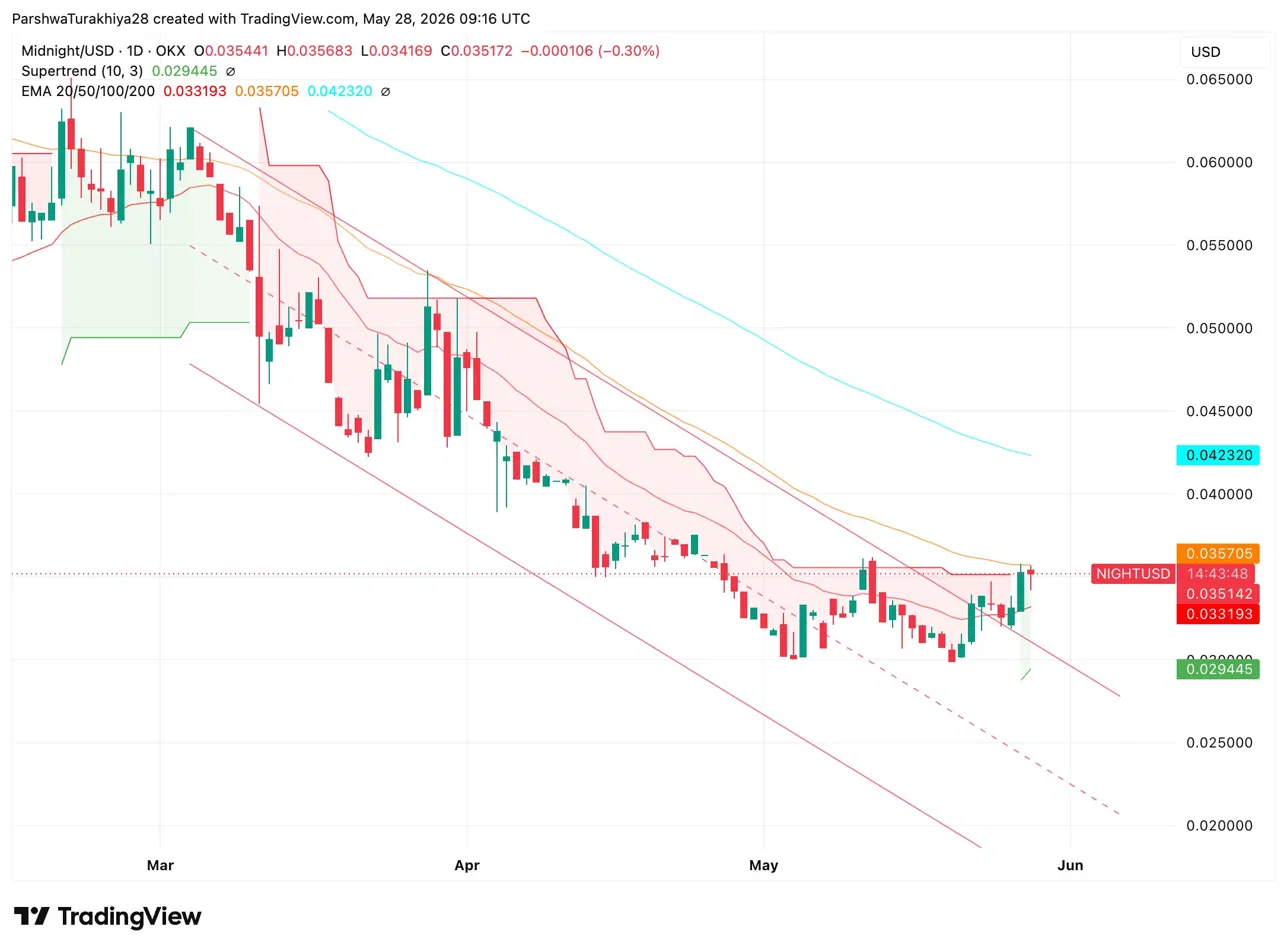
Midnight Price Prediction: NIGHT Tests Resistance as Hoskinson Calls It the Most Used Crypto App by 2030
CoinEdition·2026/05/28 10:51
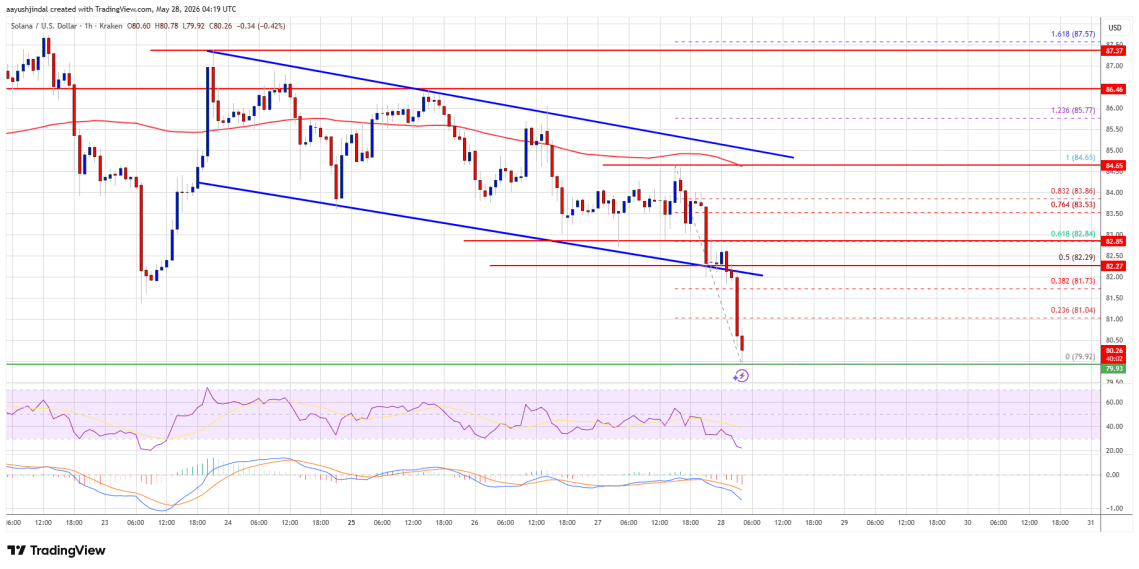
Solana (SOL) Plunges Lower, Market Sentiment Turns Sharply Bearish
CryptoNewsNet·2026/05/28 10:46

New Fed Chairman’s Bombshell XRP Statement Stuns XRP Army
TimesTabloid·2026/05/28 10:06

USDT Inflows Top $35M as Traders Exit Bitcoin and Altcoins During Market Pullback
Coincu·2026/05/28 09:40
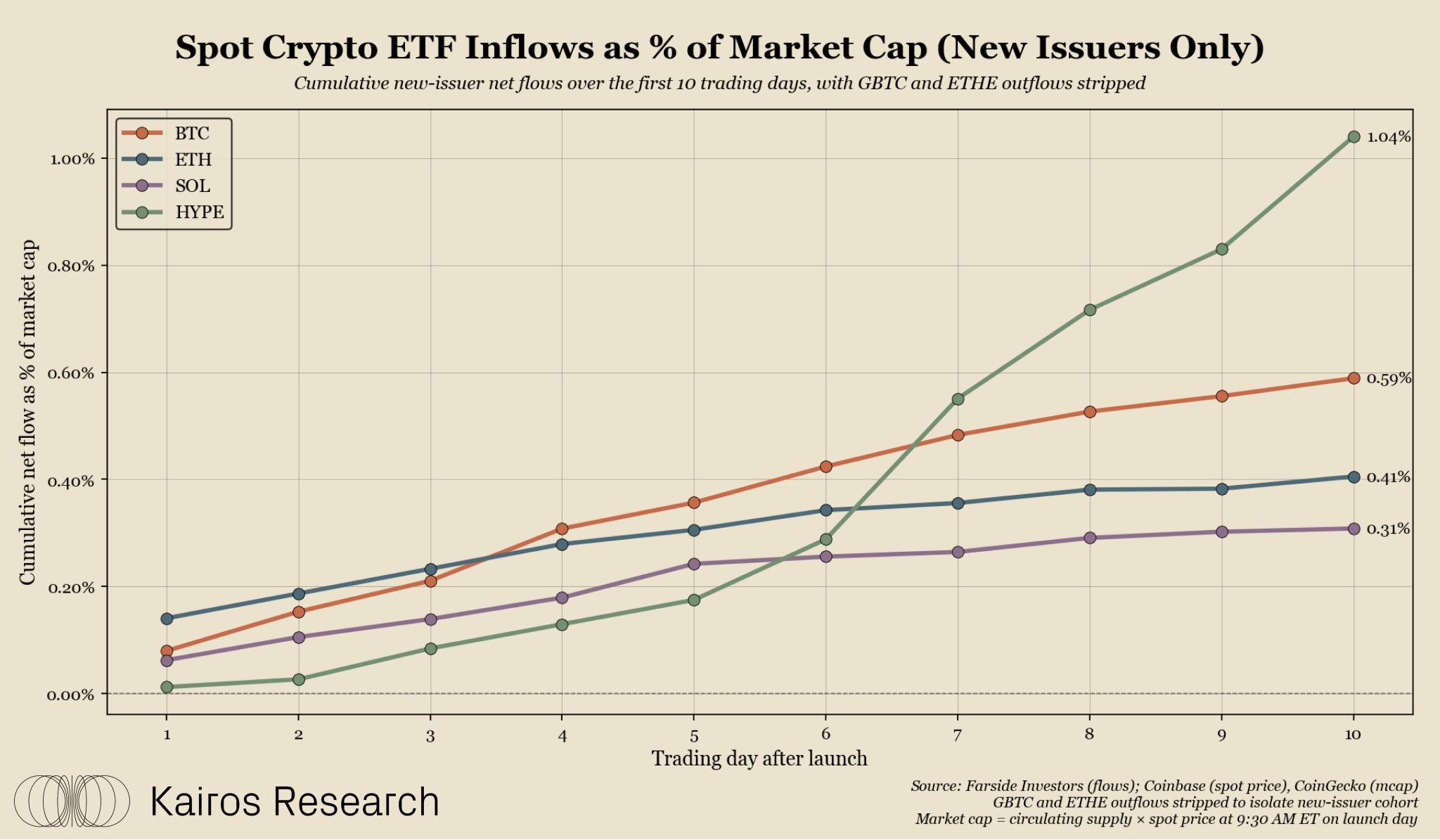
Hyperliquid’s $800M Surge Stuns Crypto Markets Without VC Money
CoinEdition·2026/05/28 09:30
Ethereum Price Prediction: What To Expect From ETH in June 2026
BeInCrypto·2026/05/28 09:12
ETH sinks below $2,000, faces period of repricing
Cryptopolitan·2026/05/28 08:39

Missed Dogecoin and Pepe? APEMARS Now Ranks Among Best Altcoins To Buy Today With 350% Bonus, and $485K+ Raised
TimesTabloid·2026/05/28 08:15
Flash
15:31
UBS: US-Iran Agreement Reduces Fed Rate Hike Pressure, Next Move is Rate Cut in 2027 On June 15, Leslie Falconio, head of taxable fixed income strategy at UBS Global Wealth Management, stated that following the announcement of the US-Iran agreement, oil prices have fallen, leading to a strengthening of the US Treasury market and a reduction in the pressure on the Federal Reserve to raise interest rates this year. Falconio noted, 'Even before the ceasefire agreement was reached, oil prices had already begun to decline, and the yield on two-year US Treasuries was still rising because the market was pricing in nearly a 100% probability of a rate hike in December at that time.' She added, 'Now the situation is that oil prices are falling, and the market is gradually retracting those rate hike expectations. As a result, the yield on two-year US Treasuries has started to decline.' The newly appointed Fed Chair, Jerome Powell, will preside over his first rate decision this week. Against the backdrop of soaring crude oil prices reigniting inflationary pressures, voices within the FOMC supporting a rate hike this year have been increasing. Falconio anticipates that the FOMC will formally abandon its dovish stance at this week's meeting, making the policy outlook more hawkish. However, she still believes that the Fed's next move will be a rate cut, expected to occur in 2027.
15:28
Trezor Executive: Bitcoin 'All-In on ETF' Pathway Is the Worst, Threatens Core Principle of Self-CustodyBlockBeats News, June 15th - A hardware wallet manufacturer Trezor executive stated that the market's trend towards fully pushing Bitcoin into ETFs may pose a long-term risk to the core principles of the crypto industry.
According to the company's Chief Business Officer Danny Sanders' views during the BTC Prague event, the current global crypto user base is approximately 600 million, but only about 10% of users choose self-custody of assets, with hardware wallet users numbering only around 12 to 13 million.
With the U.S. physically-backed Bitcoin ETF attracting over $53 billion in cumulative inflows since its launch in 2024, Bitcoin's institutionalized allocation has significantly increased. However, Sanders pointed out that this trend may also weaken the behavior of users holding their keys directly.
He believes that self-custody is one of the core attributes of the Bitcoin system, but there are still significant challenges in terms of user experience and security barriers. More users still prefer to participate in the market through exchanges or custodial tools like ETFs.
Sanders emphasized that the industry should focus on improving the usability and security of self-custody, rather than simply accepting the path of "putting Bitcoin into an ETF." He stated that if the long-term evolution leads to an ETF-dominated holding structure, it will weaken the foundational logic of Bitcoin as a decentralized asset, which could be the industry's "least desirable outcome."
15:23
Wall Street veteran tempers the euphoria in US stocks, warning of lagging effects from high oil prices and high interest rates.Golondex June 15|Although Wall Street's recent expectations for the US economy have been quite optimistic, actual economic performance in general still surpasses market consensus. This has supported risk appetite and driven the stock market to continue rising. However, this supporting factor may soon weaken. A model developed by the well-known investment veteran Jim Paulsen indicates that months of sustained high oil prices and bond market volatility may soon begin to drag down economic growth momentum. This could pose resistance to the S&P 500 Index, which has seen its market value increase by about $9 trillion since the end of March.In itself, the Citi Economic Surprise Index is currently at its highest level since 2023. This index measures the gap between actual economic data and broad market expectations, seemingly sending positive signals. However, Paulsen has found that the Citi Economic Surprise Index has a strong negative correlation with a Policy Pressure Index, with the latter leading the former by three months. The Policy Pressure Index mainly measures the impact of rising oil prices, higher 10-year US Treasury yields, and a strengthening US dollar on the economy. Currently, this index is close to its highest level since the spring of 2025. At that time, the trade war initiated by US President Donald Trump caused dramatic market volatility.Paulsen said by phone that the lagging effects of rising economic pressure are expected to "slow down the overall momentum of the US economy," putting economic activity under pressure throughout the fall. "This may catch everyone a bit by surprise, since some on Wall Street have only recently raised their S&P 500 Index targets to 8,000 points or even 8,500 points."