
News
Stay up to date on the latest crypto trends with our expert, in-depth coverage.


Ray Dalio Warns CBDCs Could Expand Government Financial Control
Cointribune·2026/02/13 16:21
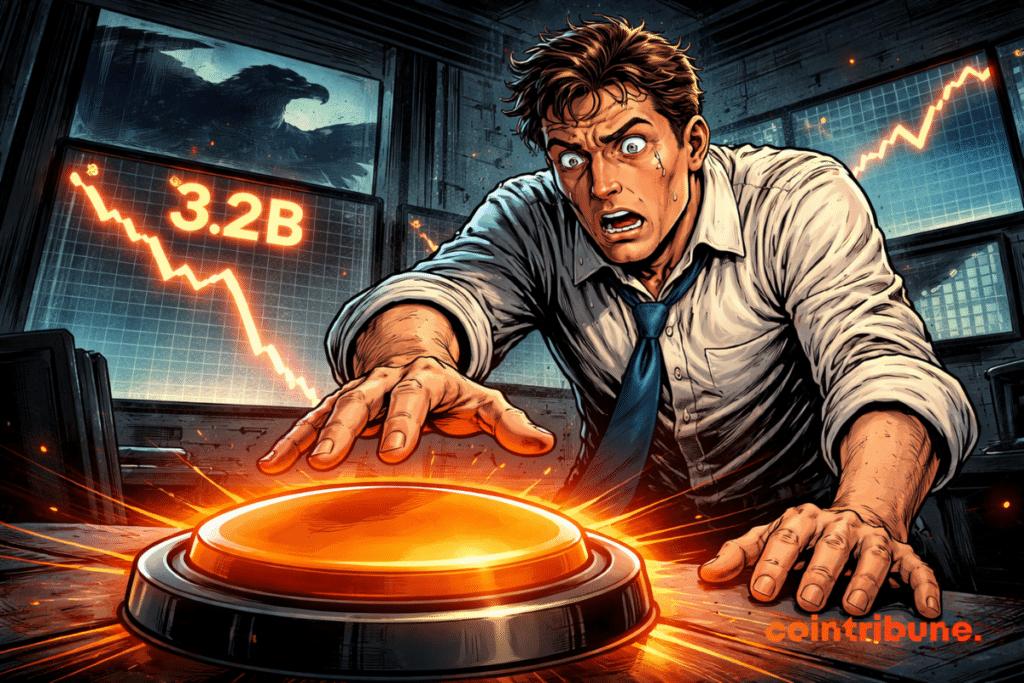
Bitcoin Sees $3.2B Capitulation as Markets Reset on Fed Uncertainty
Cointribune·2026/02/13 16:21
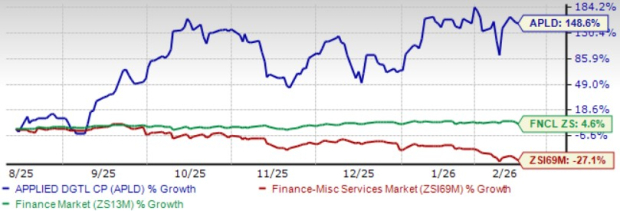
APLD's Energy Strategy is Evolving: Can it Drive Further Upside?
Finviz·2026/02/13 16:18
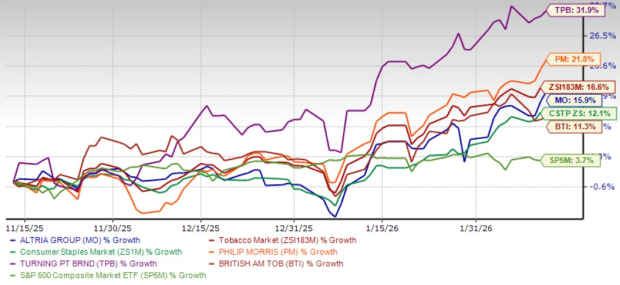
Should Altria Stock Be Part of Your Portfolio Post Q4 Earnings?
Finviz·2026/02/13 16:12

Ripple CEO Calls XRP North Star for Long-Term Plan Growth
Cryptotale·2026/02/13 16:00
ConocoPhillips Greenlights Subsea Gas Development, Approves $1.8 Billion Project
Finviz·2026/02/13 15:51
Why Is Solar Company SUNation Shares Trading Higher On Friday?
Finviz·2026/02/13 15:42
Flash
09:10
Whale Uses 20x Leverage to Go Long on 800 BTC, Total Position Exceeds $46.88 Million According to on-chain analyst Ai Yi, four addresses suspected to belong to the same whale or entity leveraged 20 times to go long on BTC on June 26 and today, with each address going long on 200 BTC, totaling 800 BTC. The total position exceeds $46.88 million, with an unrealized loss of $450,000.
09:08
Eurozone's inflation rate fell to 2.8% in June, below market expectationsThe Eurozone inflation rate fell to 2.8% in June, below the 3% forecast by a Reuters survey and down from 3.2% in May. Last month, the European Central Bank raised interest rates by 0.25 percentage points to 2.25%, marking the first rate hike since 2023. The June inflation rate has exceeded the European Central Bank's 2% medium-term target for the fourth consecutive month. Based on the levels implied by swap contracts, traders expect the European Central Bank to raise interest rates by another 0.25 percentage points before the end of this year.
08:58
SlowMist: Detected malicious supply chain attacks targeting npm users and DeFi developersForesight News reported that according to monitoring by SlowMist, MistEye detected a coordinated malicious npm supply chain activity. The activity uses fake trading bot code repositories and DeFi-themed npm packages to deliver JavaScript information-stealing tools to npm users, DeFi developers, and trading bot users.This activity involves 30 malicious npm packages, including [email protected], which appears as a locked dependency in donoaccestag/forex-mt5-trading-bot. The code repository exhibits clear abnormal signals: it depends on npm packages that have been reported as malicious, and there are about 2,300 highly homogeneous forks—likely mass generated—mainly concentrated under the poly-stocks account.Potential attacker actions include stealing local sensitive data such as crypto wallets, browser cookies, saved passwords, browsing history, developer credentials, shell history, password manager vaults, private keys, mnemonic phrases, and API tokens found in source code. Developers should immediately remove affected npm packages, audit package.json / package-lock.json and CI logs for these 30 malicious packages, treat any system on which npm install was run as a potential victim, promptly replace exposed wallets, private keys, npm tokens, cloud credentials, SSH keys, and API tokens, and rebuild the affected environment from a clean image.
News