
News
Stay up to date on the latest crypto trends with our expert, in-depth coverage.

Monad hires former FalconX, BVNK and Optimism executives
Cointelegraph·2026/02/17 14:03

Sana Biotechnology Appoints Brian Piper as Executive Vice President, Chief Financial Officer
Finviz·2026/02/17 14:03
Sana Biotechnology Appoints Brian Piper as Executive Vice President, Chief Financial Officer
Finviz·2026/02/17 14:03

Airship AI Reports Fourth Quarter 2025 Financial Results
Finviz·2026/02/17 14:03


Stablecoin issuer Quantoz Payments becomes VISA principal member
Cryptopolitan·2026/02/17 13:51
Dogecoin Price Prediction 2026-2030: The Realistic Path to $1 Revealed
Bitcoinworld·2026/02/17 13:51

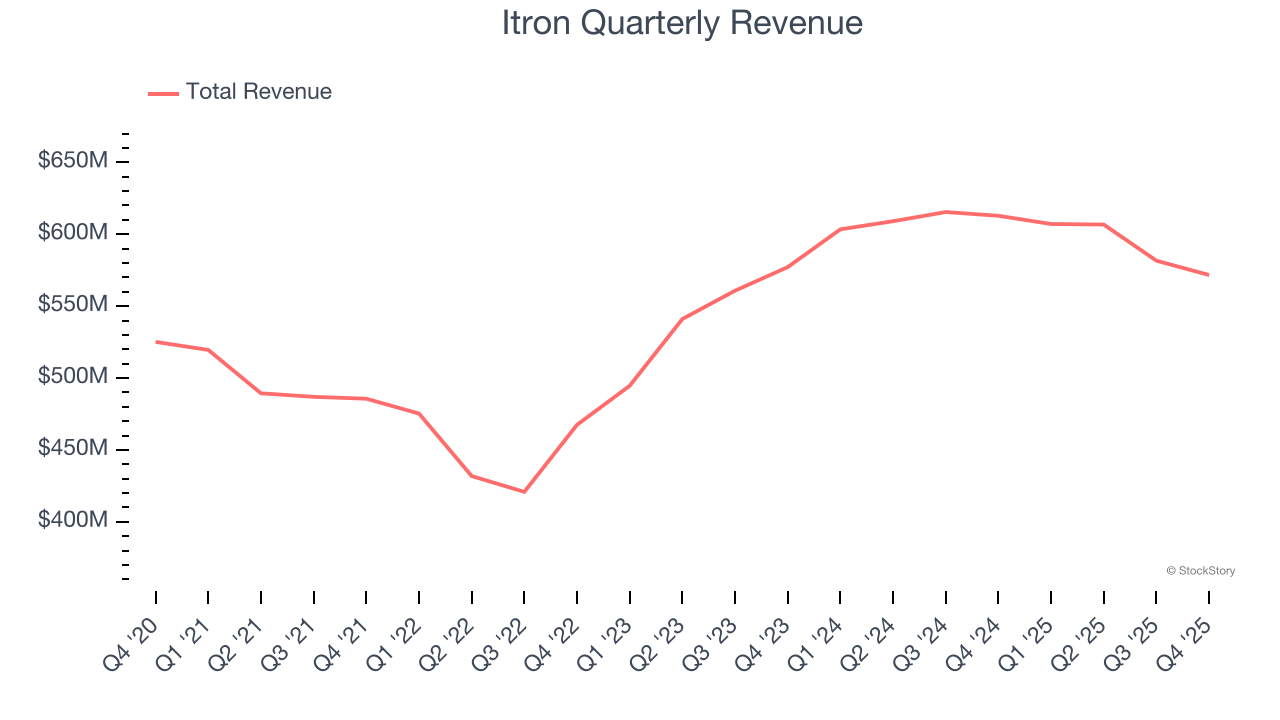
Itron's (NASDAQ:ITRI) Q4 CY2025 Sales Beat Estimates
Finviz·2026/02/17 13:48
Flash
14:41
Galaxy CEO: Strategy has evolved into an overall bitcoin market confidence indicator, with $59,000 as the key support levelBlockBeats news, on June 28, Galaxy Digital CEO Mike Novogratz stated that the core reason for Bitcoin's recent decline is a "collapse in confidence triggered by Strategy." The issue is not just about the Bitcoin price itself, but also the growing concerns in the market regarding Strategy's financing model. As the world's largest publicly traded corporate holder of Bitcoin, Strategy's stocks and preferred securities have become key indicators for traders to assess Bitcoin market risk. Previously, the company’s Bitcoin flywheel effect had come under pressure, and stock trading prices once fell below the value of its Bitcoin holdings. This means that its long-relied strategy of "raising capital through premium-priced share issuance to buy more coins" is now facing challenges. Novogratz pointed out that STRC trading has been sluggish, which should normally stay around $100. Currently, Strategy’s annual dividend obligations have risen to about $1.2 billion, with declining cash reserves cutting the dividend coverage period to roughly 14 months. Bitcoin is also facing pressure at the macro level. Novogratz summarized the current market logic as "a strong US dollar means weak Bitcoin," with hawkish central bank signals and the strengthening dollar suppressing demand for risk assets. From a technical perspective, the $59,000 to $60,000 range has become a key defense line for Bitcoin; if breached, downside potential may open up to $45,000. Novogratz also admitted the current situation is complex, with roughly equal probabilities for both a rebound and a deep correction. ETF outflows, weak liquidity, and cautious positioning in the options market further confirm the fragile market sentiment. Now, the health of Strategy’s balance sheet, STRC price performance, and cash positions are not only company-level issues but have evolved into key confidence signals for the overall Bitcoin market.
14:13
Australia's Firmus Technologies reaches artificial intelligence cooperation agreement with NvidiaFirmus stated that, according to the agreement, the company will procure NVIDIA's infrastructure and sell cloud services based on NVIDIA technology to clients such as "AI Native". In return, the U.S.-listed chip giant will receive product revenue as well as a portion of cloud service income. According to the agreement, 170,000 graphics processing units will be delivered to the facility located on Batam Island, Indonesia, from the first quarter of 2027 to early 2028.
14:05
Bank for International Settlements warns that the AI spending frenzy may trigger an investment downturnThe Bank for International Settlements warned in its annual economic report that the AI spending frenzy by major tech companies could end in a prolonged investment downturn, impacting financial markets and the global economy. The five largest hyperscale cloud providers are expected to invest more than 1 trillion USD combined by the end of 2025 to 2026. If returns in the tech sector fall short of expectations, investors may quickly tighten financing. The Bank for International Settlements pointed out that household equity exposure is currently higher, so a significant correction in AI-related stocks would cause a severe shock to the real economy, and large-scale bond issuance by AI companies could threaten financial stability.
News