
News
Stay up to date on the latest crypto trends with our expert, in-depth coverage.

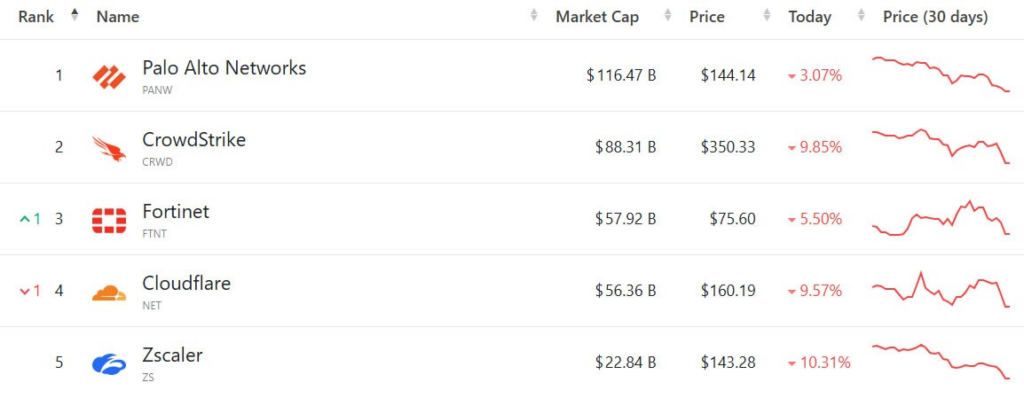
Cybersecurity stocks fall after Claude Code Security presentation
Cointribune·2026/02/24 17:27
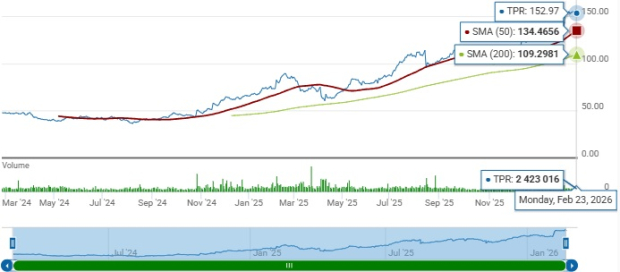
Tapestry Stock Surges 85% in a Year: Should You Book Profit?
Finviz·2026/02/24 17:27
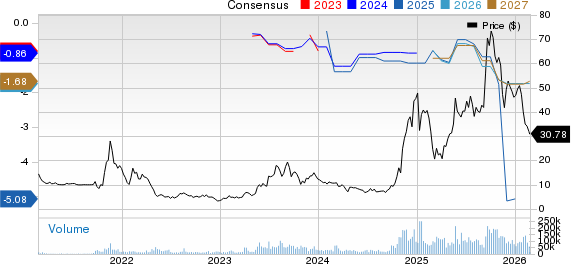
IonQ's Quantum Roadmap and Foundry Strategy Through 2030
Finviz·2026/02/24 17:27
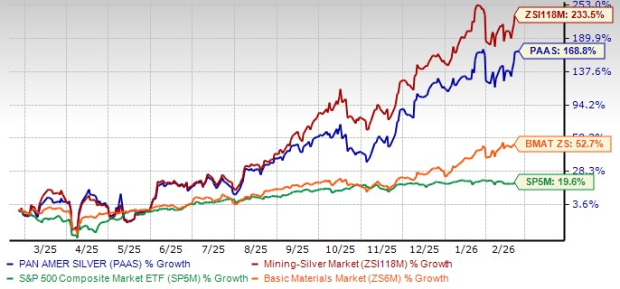
PAAS Delivers Record Revenues in 2025: Can the Rally Continue?
Finviz·2026/02/24 17:27
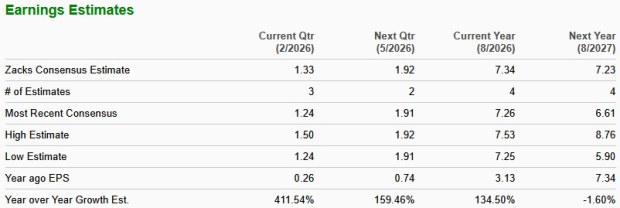
CMC vs. CRS: Which Steel Stock Is the Better Buy Right Now?
Finviz·2026/02/24 17:18
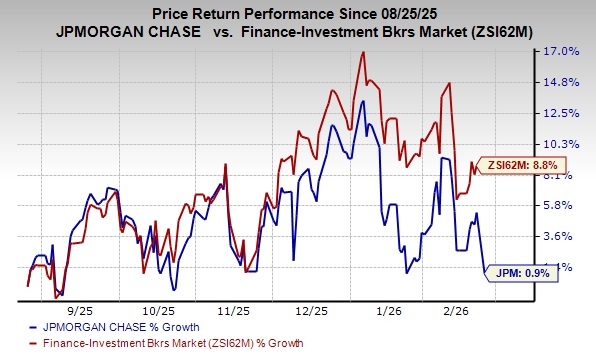
JPM Signals IB Strength, NII Growth & Tech Spending Jump in 2026
Finviz·2026/02/24 17:18

Made In Texas: Why Apple Is Moving Mac Mini Production To Houston
Finviz·2026/02/24 17:15
DeFi Leaders Uniswap, Aave, and Chainlink Drive Institutional Momentum in February 2026
BlockchainReporter·2026/02/24 17:15

DeepSnitch AI Bonus Is Eating XRP and ADA Alive in the Reward Structure Game Right Now
BlockchainReporter·2026/02/24 17:12

Why First Watch (FWRG) Shares Are Plunging Today
Finviz·2026/02/24 17:12
Flash
08:38
Goldman Sachs: South Korea's annual exports may exceed one trillion dollars; Multiple institutions analyze diverging global inflation paths amid Middle East shocksBlockBeats News, June 24, Goldman Sachs' latest report indicates that the AI capital expenditure boom has exceeded expectations in both its driving force and duration for the South Korean chip cycle. The massive trade surplus driven by AI is expected to continue until year-end, with South Korea’s annual exports projected to surpass 1 trillion US dollars, and the current account surplus as a proportion of GDP rising to 15%. In the United States, the latest research from the Federal Reserve Bank of Dallas shows that this spring's oil price surge to over 120 US dollars per barrel reduced US economic output by about 0.3 percentage points; however, this impact is much lower than that of similar oil crises in the 1980s, reflecting the US economy’s significantly increased resilience to oil price shocks. In the Eurozone, ING analysts point out that while June’s PMI data still show business activity in contraction territory, the easing of inflationary pressures due to lower energy prices is encouraging. The growth rate of input costs in both the manufacturing and services sectors has slowed. Weak growth combined with diminishing inflation concerns will dampen the European Central Bank’s willingness to raise interest rates sharply. In Australia, Westpac maintains its forecast that the Reserve Bank of Australia will raise interest rates in August, and warns that the “second-round effects” of Middle Eastern supply shocks are spreading—costs of fuel, transport, and chemical products are already starting to spill over into more sectors beyond energy. Wage cost pressures in the second half of 2026 may further drive up inflation, and the withdrawal of policy support measures will also prolong inflation risks beyond the August monetary policy meeting.
08:33
Federal Reserve Chairman Waller to testify before Congress for the first time on July 14, with market focus on stablecoins and interest rate policy signalsChainCatcher news, according to CoinDesk, U.S. Federal Reserve Chairman Kevin Warsh will testify before Congress for the first time at 10 a.m. (Eastern Time) on July 14. Traders are closely watching for signals regarding stablecoins, bank custody, and interest rate policy.
08:33
US Stocks Movement | Rumors of TSMC cutting 28nm production by 25%, potential beneficiary UMC rises 6.7% pre-marketGlonghui, June 24|A certain exchange rose 6.7% in pre-market trading to $27.96. According to reports, some media, citing supply chain sources, stated that TSMC's main 28nm production base, Fab 15A, saw wafer input drop from 200,000 pieces at the beginning of this year to 150,000 pieces, a decrease of more than 25%. This capacity adjustment is due to the transformation of the Fab 15 plant into a 4nm process production base, involving company-wide cross-node capacity reallocation. Some 28nm process clients have already turned to UMC and Vanguard.
News