
News
Stay up to date on the latest crypto trends with our expert, in-depth coverage.

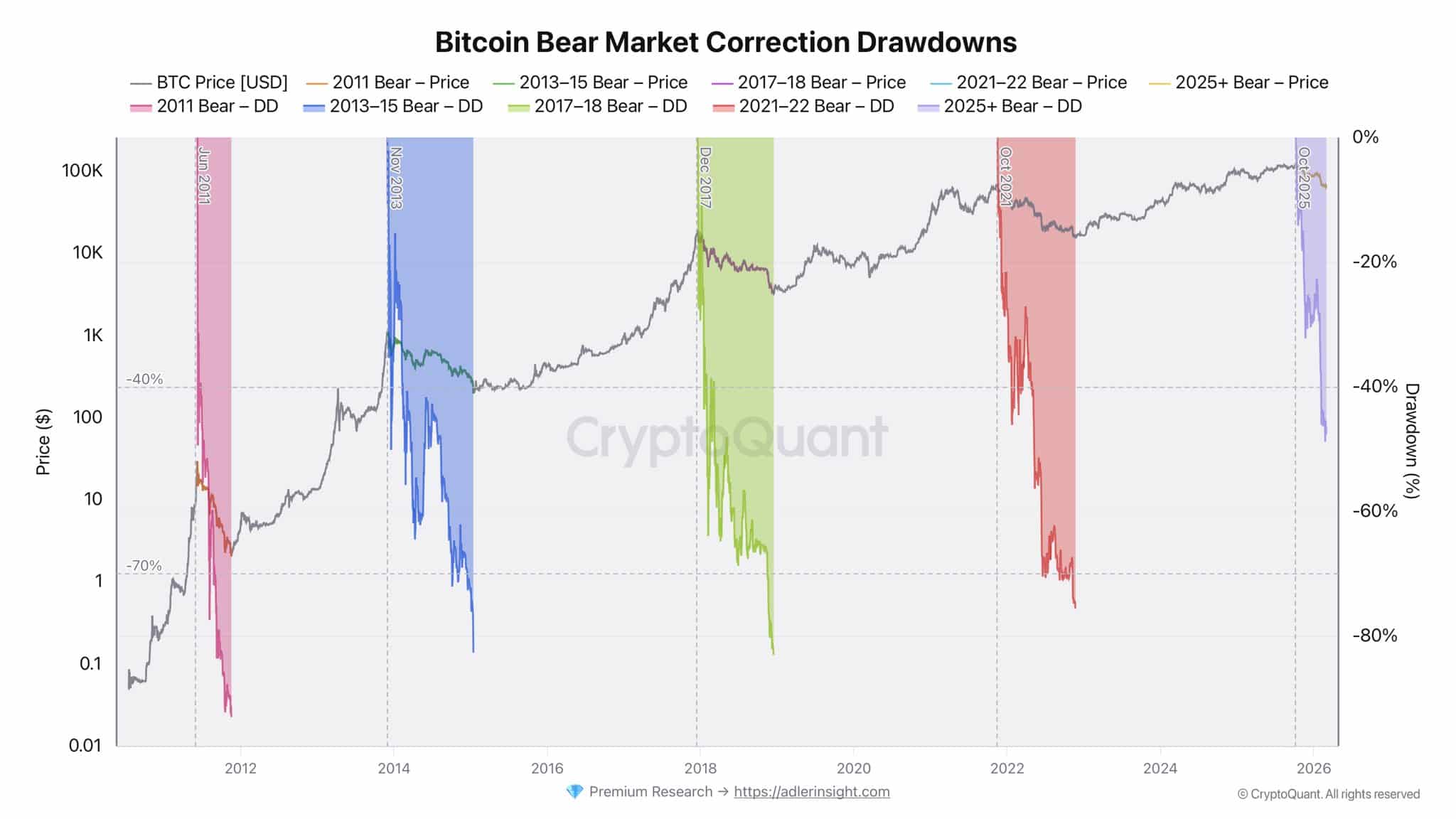
Decoding Bitcoin’s capital rotation – $5B retail exits as whales take control
AMBCrypto·2026/03/02 17:03

Tony Makuch awarded Kitco Mining CEO of the Year for revitalizing Porcupine
101 finance·2026/03/02 16:39
XRP Analyst: This Is How Bitcoin Bottom Will Play Out
TimesTabloid·2026/03/02 16:09
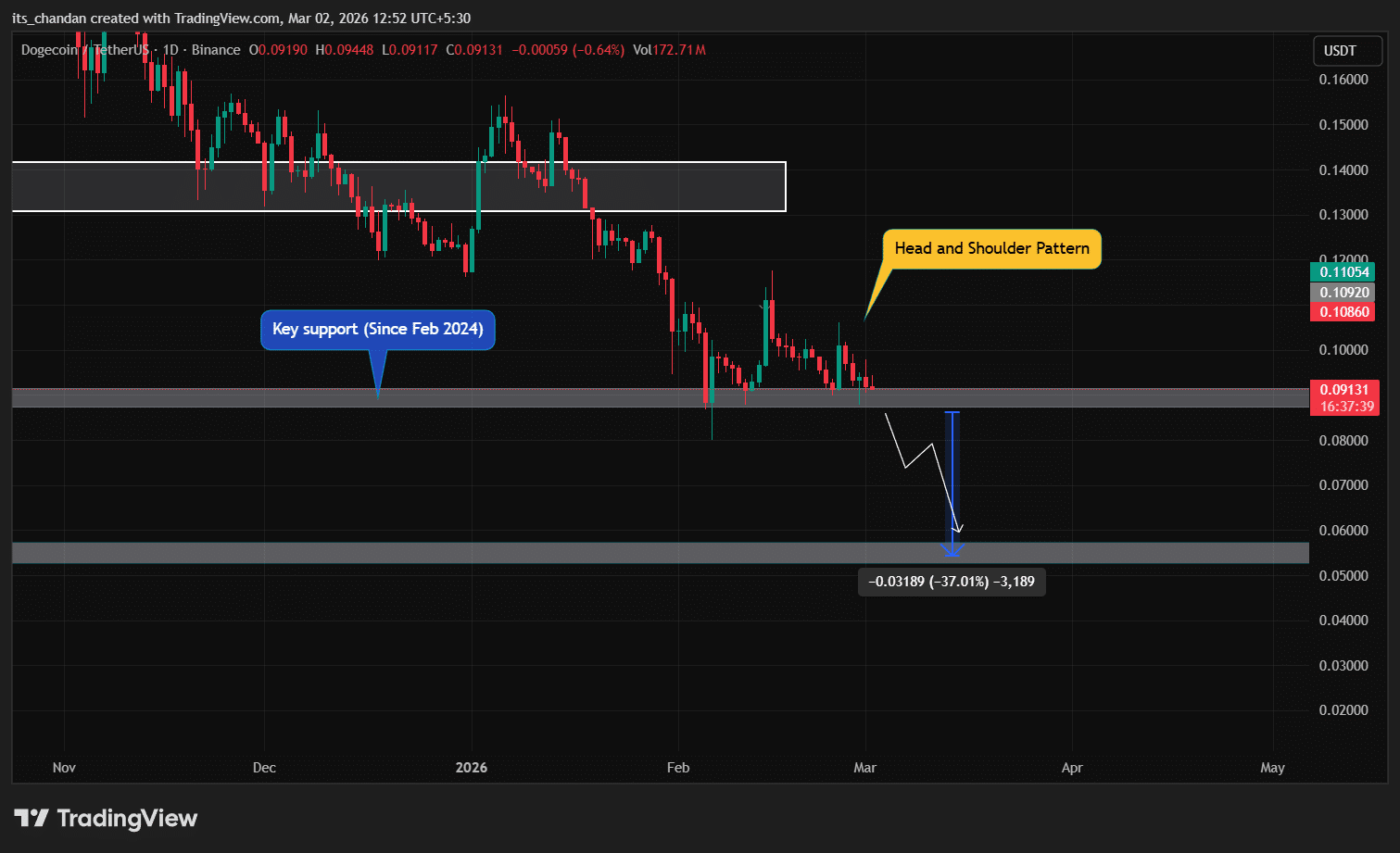
Dogecoin: Is trouble brewing? Why DOGE can crash 35% soon
AMBCrypto·2026/03/02 16:03
XRP Ledger Officially Enters Australia’s Banking System. Here’s the Latest
TimesTabloid·2026/03/02 15:09
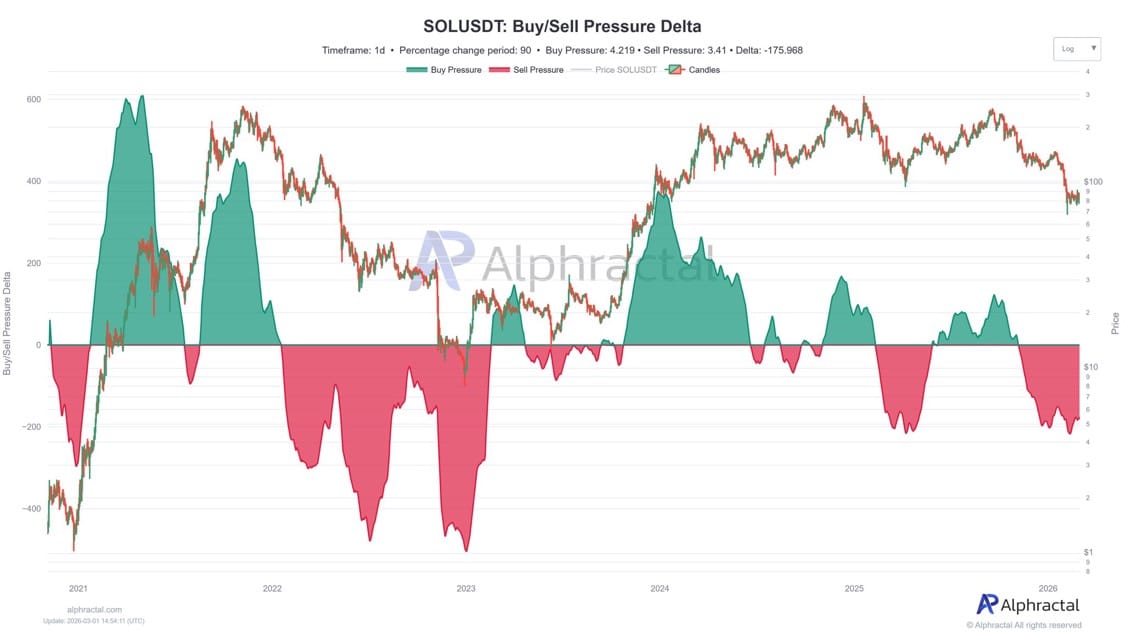
Solana at a breaking point: $100 mln inflows meet rising sell pressure
AMBCrypto·2026/03/02 15:03
Based On This Ripple CEO Statement, Pundit Says Swap Your Bitcoin for XRP ASAP
TimesTabloid·2026/03/02 14:33
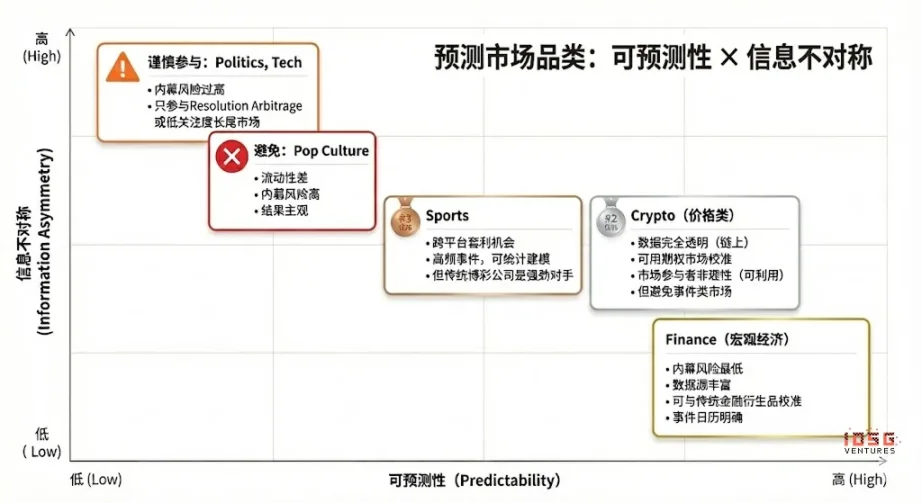
Let Probability Become an Asset: A Preview of Predictive Market Agents
IOSG Ventures·2026/03/02 14:16
Market Strategist: XRP Will Bounce Extremely Hard. Here’s the Signal
TimesTabloid·2026/03/02 14:06
Flash
03:16
Spot Silver Plunges 3% IntradayBlockBeats News, June 23rd, according to Bitget market data, the spot silver price dropped by 3% intraday, now trading at $63.07 per ounce.
03:08
Analyst: Oil's dominant influence on the global economy and geopolitics is becoming a thing of the pastGolden Ten Data reported on June 23 that Matthew Lynn, a financial columnist for The Daily Telegraph, stated that, for the energy market, military action by the United States and Israel against Iran could have been a perfect storm, with experts once competing to make the most extreme predictions for oil prices. However, the disaster did not occur. Oil prices did surge temporarily, but in real terms, prices did not even reach a record high. In 2008, oil prices reached $147 per barrel, equivalent to $224 today. Currently, no one expects urgent measures to limit energy consumption, nor is anyone worried about interest rates soaring to 13% or a sharp rise in unemployment. The era that can be described as a "long-term oil crisis" from 1973 to 2026 has ended. This will have three profound impacts. First, the importance of the Middle East will drop significantly. Second, inflation will be curbed. The United States is likely to see almost no year-on-year change in the price level over the next decade or even longer. Third, and most importantly, the global economy will become more stable. The importance of oil as a commodity has been diminishing for years. Of course, oil remains very important, but it will hardly dominate the headlines again. Its era has passed, and the world will become more stable as a result.
03:05
Citi and Micron earnings preview: AI memory price cycle becomes the focus of the earnings callBlockBeats News, June 23, Micron Technology is about to announce its quarterly results for the period ending May. According to Citigroup, investors' focus will not only be on whether single-quarter revenue and profit exceed expectations, but also on how management describes the supply and demand outlook for DRAM, NAND, and HBM. In its report, Citigroup maintains a "Buy" rating on Micron and raises its price target from $840 to $1,200. The bank believes that since the beginning of the year, memory prices have outperformed expectations and are significantly boosting Micron’s earning potential for the next two years. Citigroup expects Micron’s earnings per share to reach $60.73 in fiscal 2026 and to further rise to $114.73 in fiscal 2027. The core of this earnings preview is whether the memory price increase cycle can continue. Citigroup expects DRAM average selling prices to rise by 200% in 2026, while NAND average selling prices will increase by 186%. The report notes that DRAM spot prices have risen by 52% since the start of the year, 22% since early April, and are around 21% higher than contract prices, indicating that future contract prices may continue to climb. AI server demand remains the main narrative in Micron’s earnings. Citigroup anticipates that data center demand, accelerated token growth, and constrained supply will leave the global DRAM market in a supply shortage of about 5% in 2026. The bank also believes that HBM prices still have room to rise next year, which is a key variable supporting Micron’s 2027 earnings expectations. Therefore, Citigroup expects investors will focus on three main questions during the earnings call: first, management’s latest assessment of DRAM and NAND supply and demand in 2026 and 2027; second, whether long-term supply agreements can improve visibility of future revenues and profits; third, whether the current high gross margin can be sustained. Citigroup currently estimates Micron's gross margin will reach 76.9% in fiscal 2026 and 82.9% in fiscal 2027. Citigroup’s base case corresponds to a $1,200 price target; in an optimistic scenario, if DRAM prices and product mix continue to improve, HBM yields are better than expected, and supply expansion in 2027 is limited, the stock price could reach $1,400. In a pessimistic scenario, if DRAM prices fall more than expected, or industry capital expenditure increases significantly resulting in oversupply, the stock price could retreat to $400. In other words, the key to this earnings report is not only whether Micron can deliver strong quarterly numbers, but whether the company can convince the market that AI-driven memory demand is enough to dampen the industry’s historical cyclical volatility. For a stock price that has already risen sharply, management’s comments on long-term agreements, HBM supply and price sustainability may be even more important than the quarterly results themselves.
News