
News
Stay up to date on the latest crypto trends with our expert, in-depth coverage.

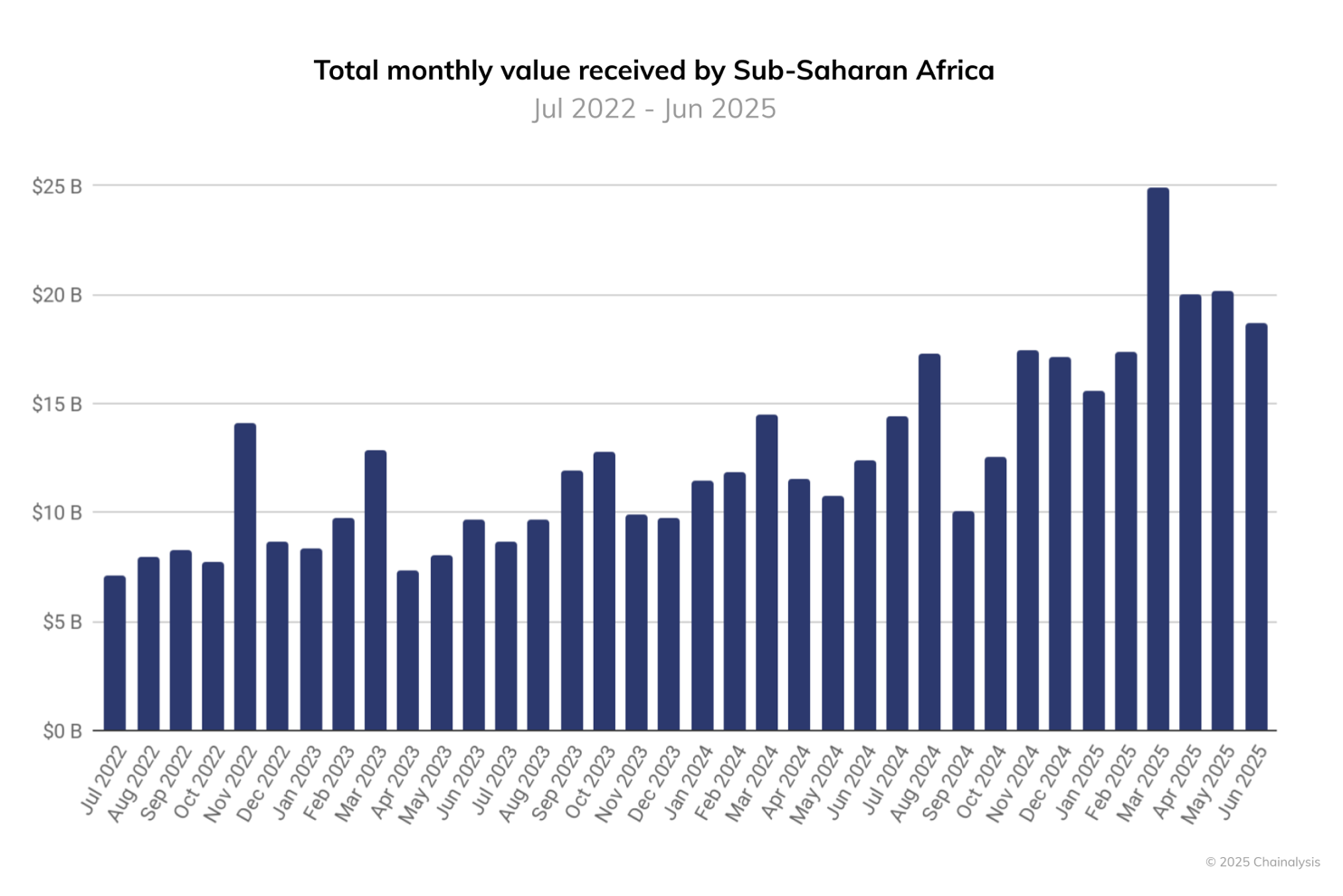
Locals prefer satoshis to dollars, says Africa Bitcoin chair Stafford Masie
Cointelegraph·2026/03/03 22:27

Trading Day: Selling snowballs, turmoil spreads
Investing.com·2026/03/03 22:18
Bitcoin refuses to collapse despite deepening global crisis: ‘Nice sign of life’
AMBCrypto·2026/03/03 22:03
French Hill urges Senate to take up House crypto bill amid stablecoin yield fight
The Block·2026/03/03 21:45
Ethereum's Vitalik Buterin: build 'sanctuary tech,' forget emulating Apple or Google
The Block·2026/03/03 21:39
A16z Crypto updates Jolt zkVM, challenges loose use of ‘ZK’ label
The Block·2026/03/03 21:15
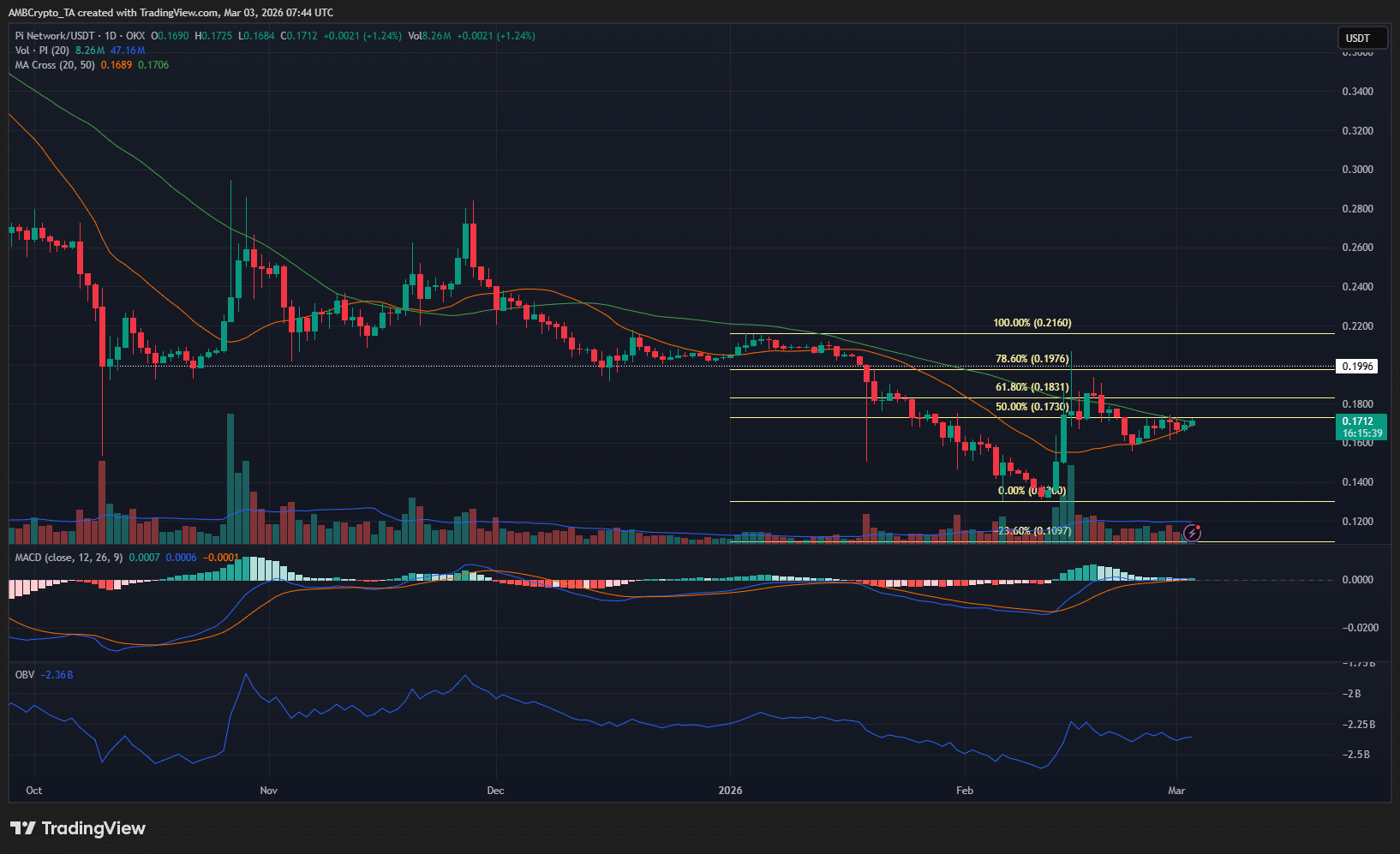
Pi Network price prediction: $0.20 still in play as 3 signals align
AMBCrypto·2026/03/03 21:03

XRP Under Pressure Despite 24 % Surge In Trading Volume
Cointribune·2026/03/03 20:57

38% of altcoins in critical zone according to CryptoQuant
Cointribune·2026/03/03 20:57
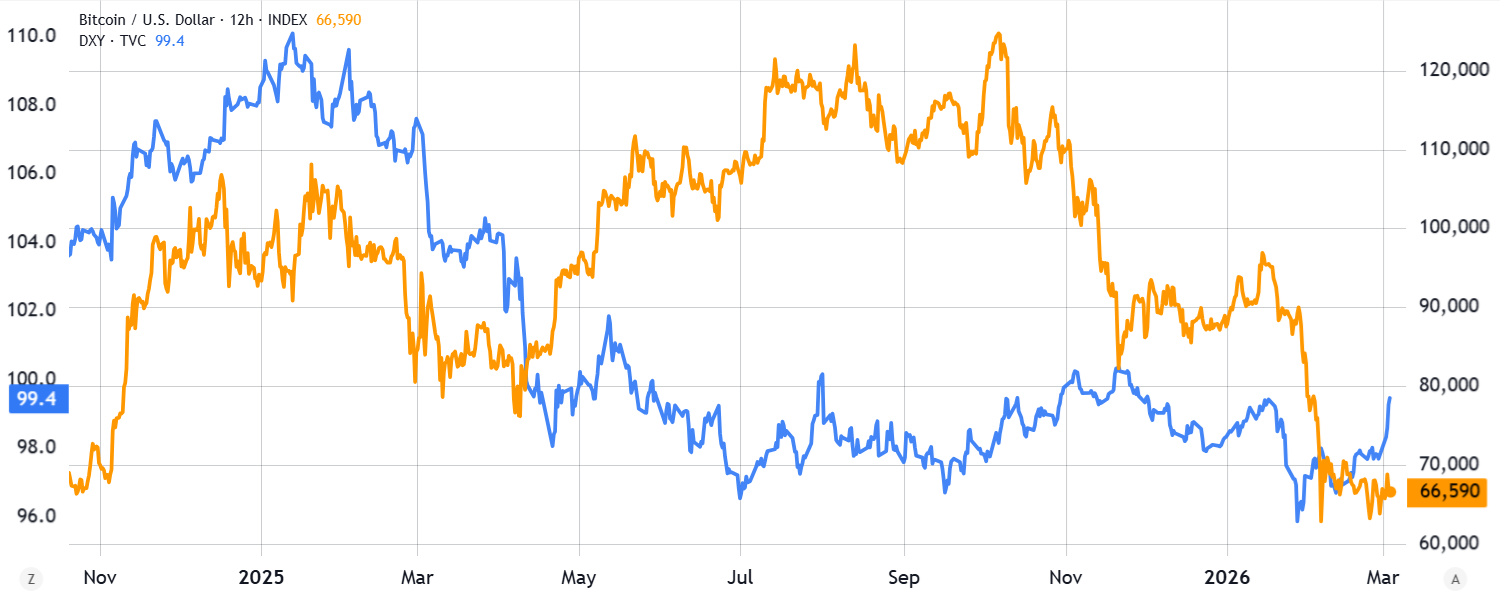
US Dollar Index nears 3-month high: Is this good or bad for Bitcoin?
Cointelegraph·2026/03/03 20:42
Flash
00:32
CITIC Securities: Sulfur prices decline, focus on the mid-term allocation value of fertilizer companiesAccording to Baichuan Yingfu statistics, as of June 21, the average market price of sulfur was 9,500 yuan/ton, with prices falling sharply after the easing of US-Iran tensions. In the short term, sulfur demand has experienced negative feedback due to declining phosphate fertilizer production, and if US-Iran tensions continue to ease, sulfur costs will inevitably return to a more rational range. Leading enterprises can ensure cost control through diversified methods such as securing supply sources and purchasing smelting acid. Since May, smelting acid prices have decoupled from sulfur prices due to limitations such as transportation radius. In the medium term, the phosphogypsum-to-sulfuric-acid production process is mature, and industry leaders possess the capital expenditure capability and planning required; after these leading enterprises' projects are gradually put into operation, domestic sulfur supply pressure will be greatly relieved. Fertilizer demand is less sensitive to oil price fluctuations and benefits from the upside potential during grain price increases. Transportation restrictions in the Strait of Hormuz, combined with rising international sulfur and gas prices, have pushed up global fertilizer prices. The impact of insufficient fertilizer supply during peak spring farming season and reduced willingness of farmers to use fertilizers may be reflected in grain prices later, around the second half of 2026 to the first half of 2027. Coupled with low downstream inventories, fertilizer demand is both defensive and offers upward potential.
00:31
South Korea's KOSPI Index falls by 2%Glonghui June 23 | The Seoul Composite Index in South Korea fell by 2%.
00:25
"New stock god": Missing the AI super cycle could be very costly; photonics, storage, and Neoclouds are worth attentionOdaily reported that the “new stock god” Serenity posted on X, expressing curiosity about how investors would feel after missing out on the AI super cycle. Serenity believes that photonics, memory, and Neocloud (represented by Nebius (NBIS), a new cloud computing service provider) are all likely to benefit from the development opportunities brought by the AI super cycle. Serenity also joked that some investors are still holding IREN, which has an "endless $600 million ATM financing capability," while ignoring potential opportunities within the AI industry chain.
News