
News
Stay up to date on the latest crypto trends with our expert, in-depth coverage.

1Bitget UEX Daily | U.S. House Limits Trump’s Military Action Against Iran; Bitcoin Deeply Corrects to $63,000; AI Chip Supply Crisis Emerges (June 04, 2026)2The largest-scale clashes since the ceasefire! Kuwait says Iran's attack injured 63 people, Trump "puts out the fire": Negotiations are going smoothly, an agreement may be reached over the weekend.3US crude oil inventories have fallen to their lowest level since 2004. Can Trump still keep oil prices under control?

Prop Trading Firms in 2026: How They Work, Who They Suit & Why They're Growing Fast
Investinglive·2026/06/04 10:12
Canadian Dollar bounces from eight-week lows as Middle East peace hopes soothe markets
FXStreet·2026/06/04 10:12
ECB: Inflation expectations and household demand – BNY
FXStreet·2026/06/04 10:12
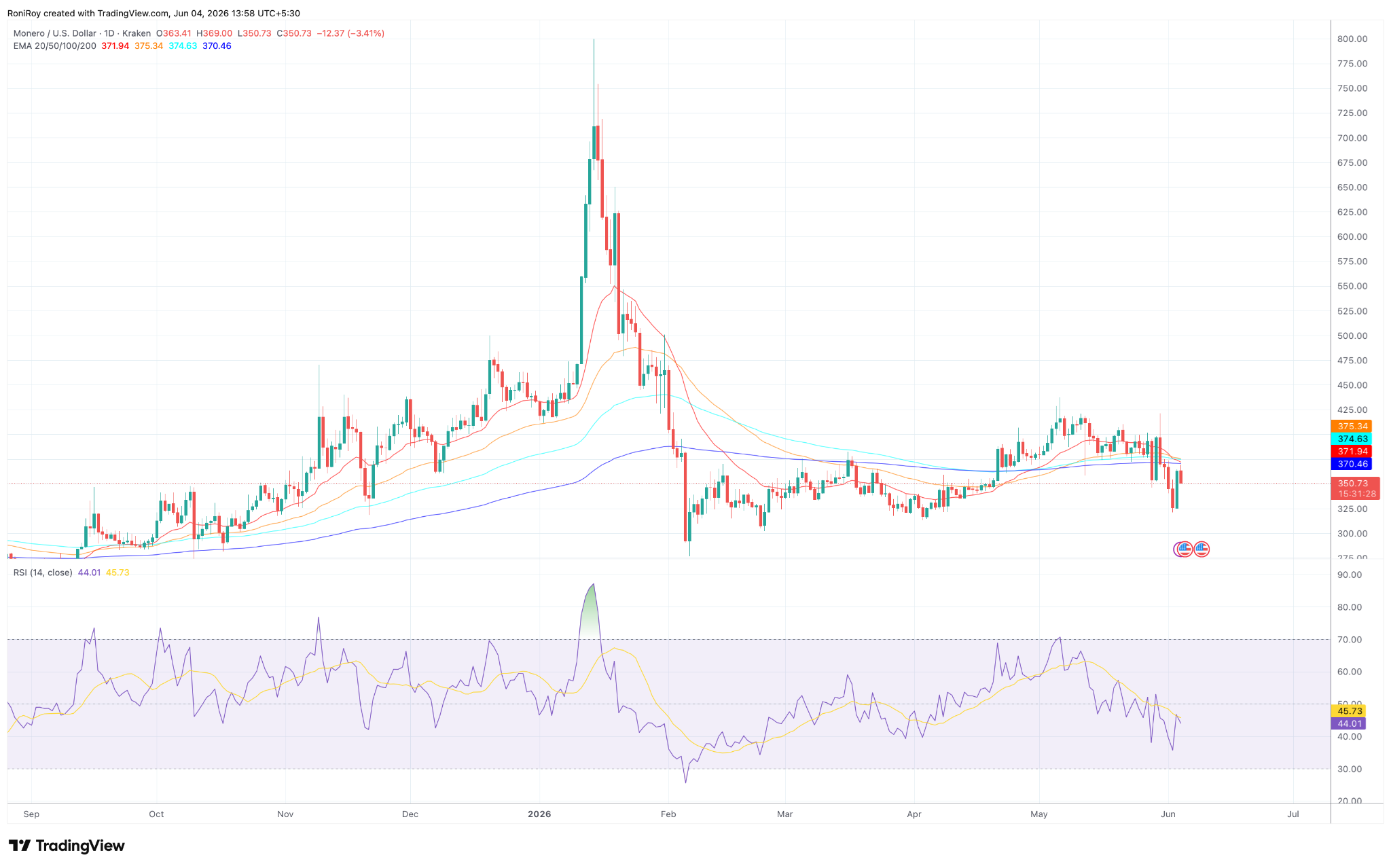
Monero rebounds from $330 lows as bulls eye major breakout
CryptoNewsNet·2026/06/04 10:09
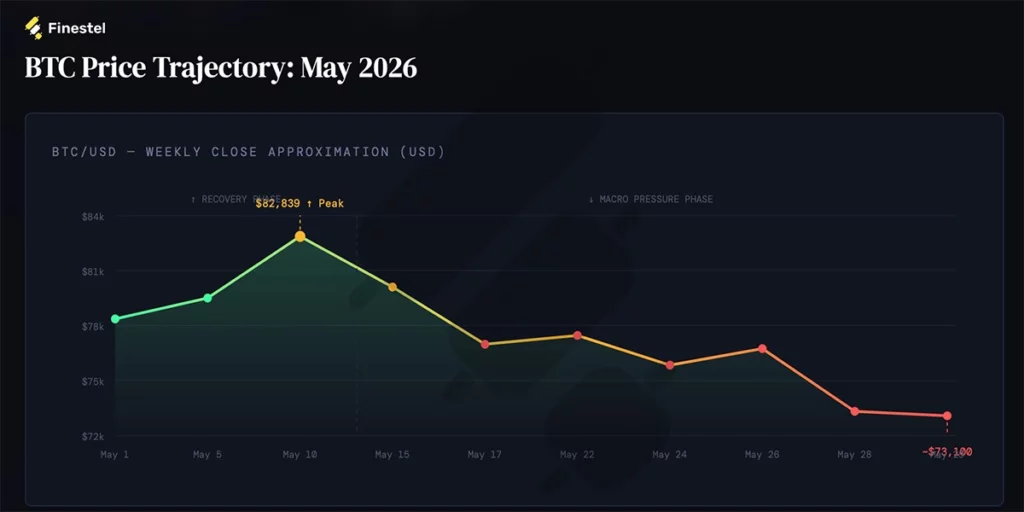
Bitcoin slipped below key cost basis levels during May market correction: Finestel
Crypto.News·2026/06/04 10:03
Bitcoin quantum discount hits 28% as BTC price sinks near $62K
Crypto.News·2026/06/04 10:00

Bitcoin and Ethereum Prices Dip to Greater Lows, Bullish Analysts Remain Undeterred
Cryptonewsland·2026/06/04 10:00

BONK price struggles despite PartyBet deal and BONKUJI relaunch
Coinjournal·2026/06/04 10:00
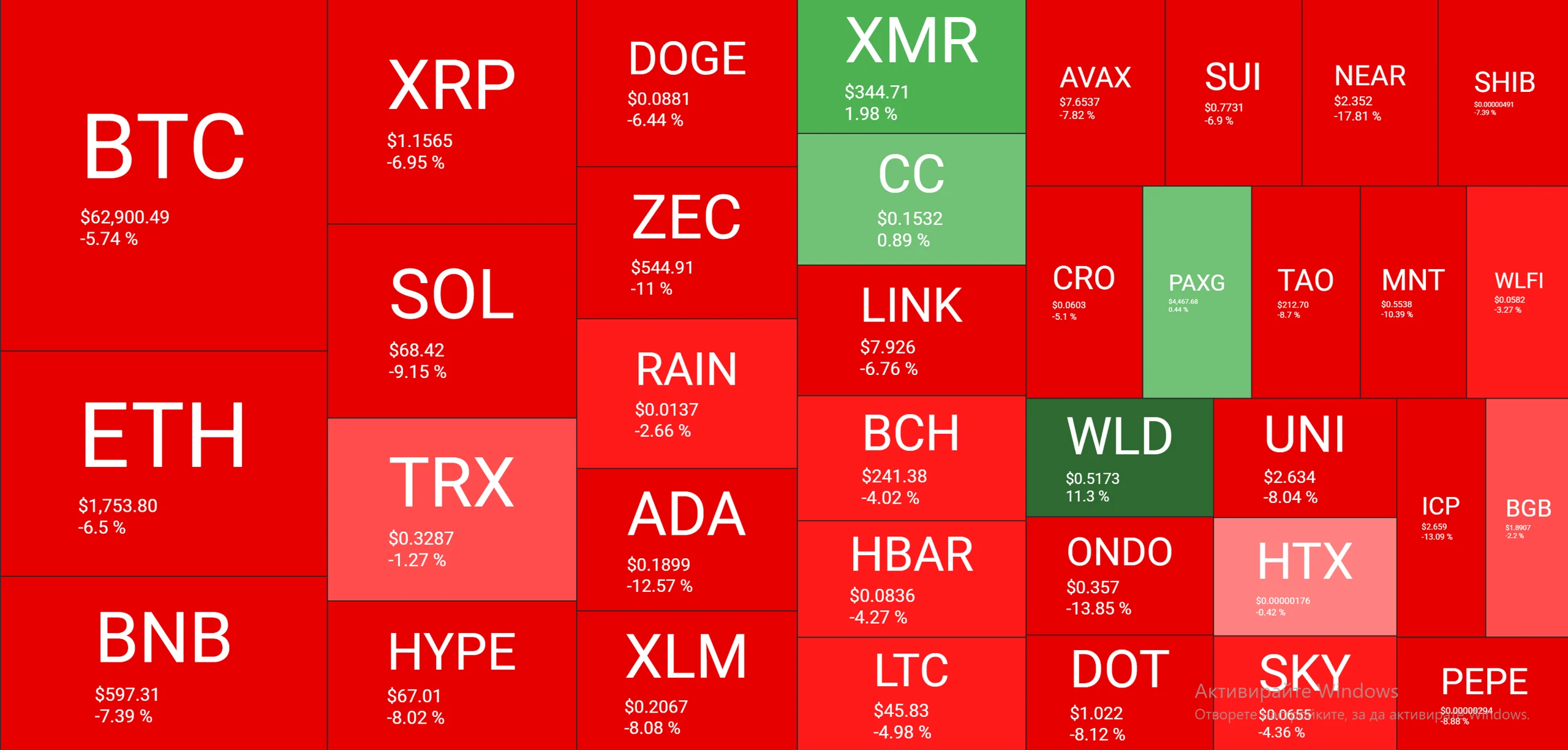
Altcoins Bleed, Bitcoin Crashes as Total Crypto Market Cap Erases Another $150 Billion: Market Watch
Cryptopotato·2026/06/04 09:54
One of the World’s Largest Insurance Brokers Expands Into Digital Assets
Coinspaidmedia·2026/06/04 09:51
Flash
10:42
Middle East situation influences the Canadian market; TSX futures come under slight pressure as oil prices fall by 1% while gold rises by 0.7%Canadian stock futures fell 0.1% on Thursday, as oil prices declined following a ceasefire agreement between Israel and Lebanon. Investors are also awaiting Friday’s key employment report. In response to the news, oil prices dropped by about 1%, while spot gold rose 0.7% and silver increased 0.9%, supported by a weaker US dollar and easing concerns over inflation and interest rate hikes.Canada's benchmark S&P/TSX Composite Index retreated from a record high on Wednesday, led by declines in technology and metals & mining stocks. Canada's services sector economy experienced moderate expansion in May. However, heightened Middle East tensions increased economic uncertainty, and rising fuel prices led to the fastest operational cost growth in four years. The Canadian Finance Minister announced a one-year extension of tariff quotas and tariff exemptions on US steel and aluminum to protect workers from the impact of global overcapacity and provide industry certainty.From a trading sentiment perspective, the market is currently shaped by various intertwined factors. The ceasefire signals in the Middle East have not fully eliminated tensions, and the pullback in oil prices has eased some inflationary pressures. However, rising operational costs are squeezing corporate profits. Employment data from both the US and Canada on Friday will serve as a key window into labor market health. The slight decline in TSX futures reflects investors’ cautious balance between optimistic expectations and demand for safe-haven assets. The energy sector's weight makes the Canadian market particularly sensitive to any developments in the Strait of Hormuz.
10:34
Standard Chartered Head of Digital Asset Research: Bitcoin Bottom "Is Near", Maintains $100,000 Year-End TargetChainCatcher reports, citing The Block, that Geoffrey Kendrick, Head of Digital Assets Research at Standard Chartered Bank, stated that after the recent sharp drop, Bitcoin has "almost bottomed," and the current range around $63,000 is a "buy zone." He pointed out that since February, U.S. spot Bitcoin ETF holdings have remained basically flat overall, with no feared mass redemptions, indicating that capital is now "structurally more stable." Kendrick expects that after the recent selling pressure caused by Strategy selling 32 BTC, there may be a buyback of 10 times or even 100 times the scale, following historical patterns, which could signal confirmation of a short-term low. He also warned that Bitcoin still faces downside risk of falling below $60,000, but argued that buying in batches is better than trying to time the exact bottom. The bank maintains its year-end targets for Bitcoin at $100,000 and Ethereum at $4,000.
10:33
Data: If BTC surpasses $65,563, the cumulative short liquidation across major CEXs will reach $1.314 billions.ChainCatcher reports, according to Coinglass data, if BTC surpasses $65,563, the cumulative short liquidation intensity on major CEX will reach $1.314 billion. Conversely, if BTC falls below $59,371, the cumulative long liquidation intensity on major CEX will reach $789 million.
News