
Bitcoin's URPD chart shows nearly 850,000 BTC bought between $60K and $70K this year, more than 9% of supply, highlighting a critical price zone.

Nearly 850,000 BTC have reportedly been accumulated in the $60,000 to $70,000 price range this year, a concentration that now accounts for more than 9% of Bitcoin BTC +0.00% ’s total supply according to secondary reports citing on-chain URPD data.
Bitcoin traded at $72,907 at press time, up roughly 1.5% over 24 hours, while the Fear and Greed Index sat at 15, deep in Extreme Fear territory.
What Bitcoin’s URPD Data Reveals About the $60K-$70K Range
URPD, or Unspent Transaction Output Realized Price Distribution, groups Bitcoin holdings by the price level at which coins last moved on-chain. When a large volume of BTC clusters in a narrow band, that range becomes a reference point for market behavior.
According to a report from Briefs, nearly 850,000 BTC were bought between $60,000 and $70,000 since the start of the year. A separate report from Ainvest placed the total cost-basis concentration in that band at roughly 1.85 million BTC, or over 9% of supply. These figures have not been independently confirmed through a publicly accessible primary source, and should be treated as unverified.
What is confirmed: Glassnode’s Week 13 report stated that Bitcoin remains rangebound between $60,000 and $70,000, with URPD showing a dense overhead supply cluster from $80,000 to $126,000. That overhead cluster represents coins bought at higher prices that are now underwater.
Glassnode also noted that total supply in loss is near 8.4 million BTC, a figure that underscores how much of the network’s coins are sitting below their cost basis.
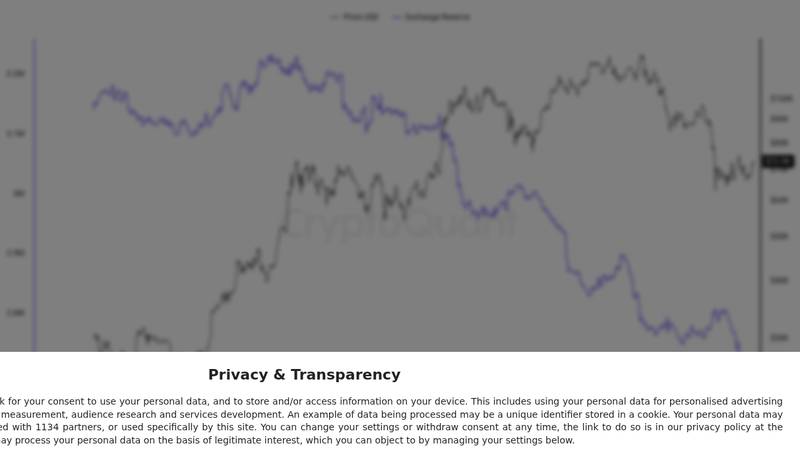 CryptoQuant on-chain context supporting the network-flow discussion around bitcoin.
Why the $60K-$70K Band Could Become Bitcoin’s Key Support Zone
When a large share of supply is concentrated at a single cost-basis level, holders in that range tend to react strongly if price revisits the zone. Buyers near their break-even point are less likely to sell at a loss, which can create natural demand during pullbacks.
Bitcoin’s current price of $72,907 sits just above the upper end of this reported accumulation band. If the price holds above $70,000, recent buyers remain in profit and have less incentive to liquidate.
A break below $60,000, however, would put the entire reported cluster underwater. Combined with the 8.4 million BTC already in loss, that scenario could amplify selling pressure rather than provide support.
Spot Buyers Showing Early Signs of Absorption
One signal from Glassnode’s report offers a counterpoint to the bearish sentiment readings. The report noted that Coinbase Spot CVD (Cumulative Volume Delta) has turned marginally positive, suggesting that spot buyers on the largest U.S. exchange are beginning to absorb sell-side pressure.
That shift is modest, not a reversal signal, but it indicates institutional or large-scale spot demand is starting to show up even as broader sentiment remains in Extreme Fear.
Bitcoin’s circulating supply currently stands at 20,014,281 BTC, with 24-hour trading volume near $34.2 billion. The market cap sits at approximately $1.46 trillion.
What This Supply Concentration Means for Bitcoin’s Next Move
If the reported 9%-of-supply concentration in the $60,000 to $70,000 band holds true, the range becomes one of the most significant cost-basis clusters in Bitcoin’s current cycle. Holding above it reinforces bullish positioning among recent accumulators.
The challenge lies above. Glassnode’s confirmed data shows a dense overhead supply cluster from $80,000 to $126,000, meaning any rally faces potential resistance from holders looking to exit at break-even. That creates a market structure with reported support below and verified resistance above.
Traders watching this range should note that the headline accumulation figures remain unverified through direct primary sources. The broader URPD structure and loss metrics from Glassnode are confirmed, but the exact 850,000 BTC figure originates from secondary reporting.
Disclaimer: The content of this article solely reflects the author's opinion and does not represent the platform in any capacity. This article is not intended to serve as a reference for making investment decisions.
You may also like
Arthur Hayes forecasts $1 million Bitcoin by 2030, links target to AI debt risks
AI valuation divergence intensifies! Anthropic IPO: Enthusiastic Silicon Valley bids $2 trillion, while a cautious Wall Street only recognizes $1.5 trillion
The valuation debate surrounding Anthropic’s IPO is exposing a pricing gap between Silicon Valley and Wall Street. Silicon Valley venture capitalists are still betting heavily on AI growth at high valuations, with some investment banks discussing an early valuation of around $2 trillion. Meanwhile, Wall Street public market institutions are focusing on high interest rates, capital expenditure on computing power, and ongoing financing pressures, and are leaning toward a $1.5 trillion valuation.
Micron (MU.US) Q4 earnings call: Management declares "No sign of supply-demand balance," 75% of shipments for next year already locked in; 2028 expected to be tighter than 2027
Micron Technology (MU.US) management expressed optimism during the Q4 earnings call, stating that AI-driven memory demand remains strong and that supply and demand will remain tight in 2027 and 2028.
After experiencing Muse, I cleared out my Airbnb holdings
A senior analyst heavily invested in Airbnb decided to sell all his Airbnb holdings just 10 days after experiencing Meta AI's Muse app. He believes that Muse not only understands his preferences but also helps him bypass Airbnb to book accommodations directly, at 60% lower prices. As AI agents begin to compare prices, cancel, and rebook on your behalf, the "traffic moat" that internet platforms depend on is under threat, and the era of "proactive e-commerce" may be dawning.
Crypto prices
More


