
Bitcoin ETFs recorded a 1-day net outflow of 2,029 BTC on March 27, with the 7-day net flow also negative at -1,439 BTC (-$95.4M). Ethereum ETF flow data also tracked.

Bitcoin BTC +0.00% ETFs recorded a net outflow of 2,029 BTC on March 27, 2026, even as the dollar-denominated figure showed a positive $134.5 million. The seven-day rolling net flow remained negative at -1,439 BTC, equivalent to roughly $95.4 million leaving the funds over the past week.
Bitcoin ETFs Shed 2,029 BTC in a Single Day, but the USD Figure Tells a Different Story
The one-day net flow data for March 27 shows -2,029 BTC leaving spot Bitcoin ETFs, a notable single-session drawdown. In dollar terms, however, the same day registered +$134.5 million in net inflows.
That discrepancy between BTC-denominated outflows and USD-denominated inflows likely reflects price appreciation during the trading session. When Bitcoin’s spot price rises, the dollar value of remaining holdings increases even as the raw BTC count declines, producing a positive USD figure despite net BTC redemptions.
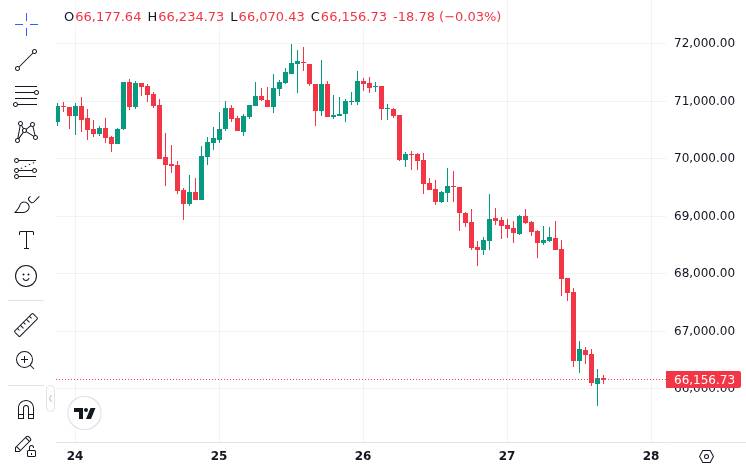 CoinMarketCap market data view included to frame the latest move in bitcoin.
The seven-day rolling net flow stood at -1,439 BTC (-$95.4 million). Because that weekly total is smaller in absolute terms than the single-day outflow of -2,029 BTC, simple arithmetic implies the prior six days combined saw approximately +590 BTC in net inflows.
That means March 27 reversed what had been a modestly positive stretch for Bitcoin ETF flows earlier in the week.
What the Weekly Trend Shows About Institutional Demand
The negative seven-day net flow of -1,439 BTC signals that institutional holders, on balance, reduced their ETF positions over the past week. A single positive USD day within a negative rolling window does not confirm a trend reversal.
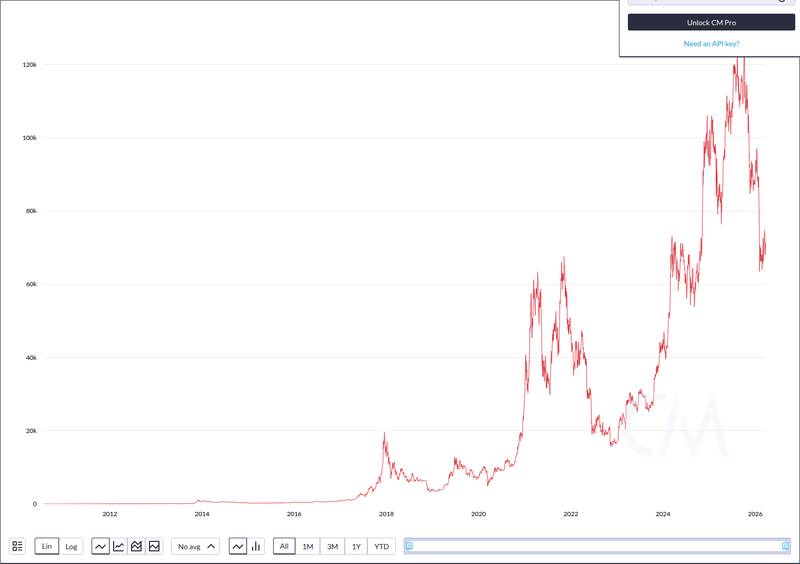 CoinMetrics blockchain-data panel highlighting the structural trend discussed for bitcoin.
Traders watching ETF flows as a proxy for institutional sentiment should note the distinction between BTC-unit flows and USD flows. The BTC metric captures actual supply entering or leaving the funds, while the USD metric conflates price movement with fund flows.
For a sustained shift in the weekly trend, consecutive days of positive BTC-denominated inflows would need to appear. One day of dollar-positive activity, driven partly by price, does not meet that bar.
Disclaimer: The content of this article solely reflects the author's opinion and does not represent the platform in any capacity. This article is not intended to serve as a reference for making investment decisions.
You may also like
Here’s why BlackRock believes autonomous AI systems will drive next stablecoin boom
BlackRock expects exchange-traded compute futures as it pitches stablecoins for AI agents
Report: TSMC to Raise Wafer Foundry Prices by 3% to 6% Starting January Next Year, Order Visibility Extended to 2030
According to media reports, TSMC's advanced and high-priced processes such as 2nm and 3nm have seen the largest price increases; mature and specialty processes are subject to individual negotiation based on products, capacity utilization, and customer conditions. Currently, TSMC's 8-inch fabs have a capacity utilization rate exceeding 100%, and processes below 45nm are at full capacity. The construction of AI data centers is not only driving demand for GPU and HBM, but also boosting orders for mature processes such as PMIC, MCU, and analog ICs.
U.S. Treasury plans to repurchase up to $6 billion in long-term bonds, 30-year yield hits highest since 2007
This is the second round of enhanced long-term bond buybacks by the Treasury, this time focusing on 20- to 30-year government bonds. After the announcement of the planned upper limit, the yield on 30-year U.S. Treasury bonds continued to rise, at one point exceeding 5.4%. In the first round of enhanced buybacks two weeks ago, the upper buyback target was also $6 billion, which was lower than some market participants had expected, and the actual buyback amounted to only $5.2 billion due to insufficient competitive bidding, according to the Treasury.
Crypto prices
More


