
BNP Paribas, one of Europe's largest banks, is adding six crypto-linked ETNs to its trading platform, marking a significant step in institutional adoption of digital assets.

BNP Paribas, one of Europe’s largest banks, is adding six crypto-linked exchange-traded notes to its trading platform, making Bitcoin BTC +0.00% and Ethereum ETH +0.00% investment products directly available to French retail clients through its brokerage infrastructure.
BNP Paribas Is Adding Six Crypto ETNs on Bitcoin and Ethereum
The bank’s asset management arm, BNP Paribas AM, is listing six exchange-traded notes tied to Bitcoin and Ether. The products will be accessible to retail investors in France through the bank’s existing stock exchange trading channels.
ETNs are debt instruments that track the performance of an underlying asset, in this case BTC and ETH, without requiring investors to hold the cryptocurrencies directly. For clients of one of Europe’s systemically important banks, this represents a regulated on-ramp to crypto exposure through familiar brokerage accounts.
The move covers both of the two largest cryptocurrencies by market capitalization. All six ETNs are now available to French retail clients, suggesting the rollout is already underway rather than a future commitment.
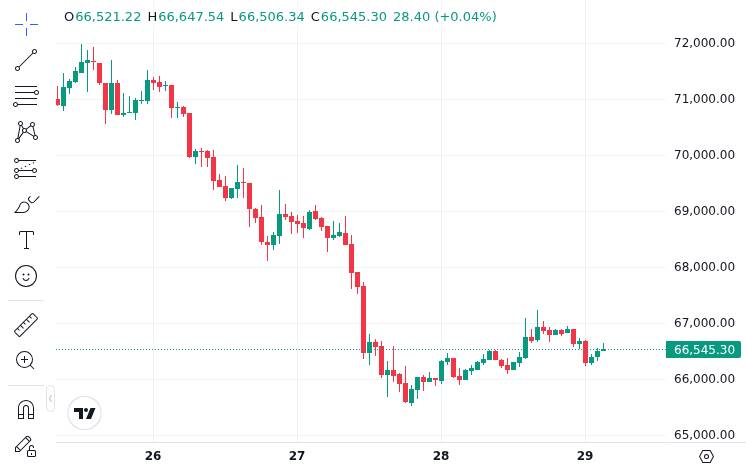 Bitcoin price context via CoinMarketCap at the time of BNP Paribas’s ETN expansion.
Why This Matters for Institutional Crypto Adoption in Europe
BNP Paribas ranks among Europe’s largest financial institutions by total assets. When a bank of this scale formally adds crypto-linked products to its trading desk, it signals that regulated digital asset exposure is becoming a standard part of European brokerage offerings, not an experimental niche.
The decision to target retail clients, not just institutional desks, is notable. Many European banks that have explored crypto products have limited access to professional or qualified investors. BNP Paribas opening these ETNs to its broader retail client base in France lowers the barrier for mainstream participation.
The timing aligns with the European Union’s Markets in Crypto-Assets (MiCA) regulatory framework, which has provided clearer compliance guidelines for financial institutions offering crypto-related products. MiCA’s implementation has given traditional banks the regulatory certainty needed to move forward with products they may have previously avoided.
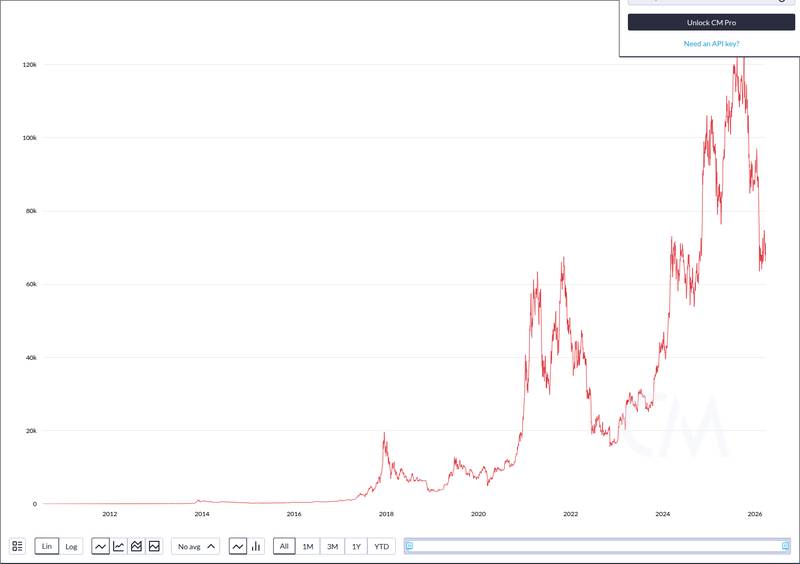 On-chain metrics context for Bitcoin via CoinMetrics.
With six ETNs spanning Bitcoin and Ethereum now live through BNP Paribas, French retail investors have a new regulated path into the two dominant crypto assets. Whether other major European banks follow with similar retail-facing products in 2026 will depend on client demand and continued regulatory clarity under MiCA.
Disclaimer: The content of this article solely reflects the author's opinion and does not represent the platform in any capacity. This article is not intended to serve as a reference for making investment decisions.
You may also like
Dell executive: "Agent AI" is different this time, key components (mainly memory and HDD) shortages may last for more than 5 years
Dell Technologies Chief Operating Officer Jeff Clarke stated that proxy AI, by taking on more tasks, continues to drive up computing and storage demands, making this AI infrastructure cycle distinct from traditional hardware upgrade cycles. By 2030, data center computing power is expected to increase by 200 GW, inference token generation will grow 87-fold, and infrastructure demand is likely to continue expanding.
Morgan Stanley Backs Meta (META.US): Muse Ecosystem Continues to Expand, VR Glasses Expected to Become a New Growth Point in 2027
Morgan Stanley maintains an "Overweight" rating on Meta with a target price of $775, and continues to list it as a top pick.
Essay: The Next Step in AI Investment—Who Can Turn Computing Power into Profit?
Meta (META.US) surged 36% in September: Muse validates AI strategy, market cap targets $2 trillion
Meta's stock is on track to achieve its best monthly performance since July 2013, and is only about a 1% increase away from joining the $2 trillion market cap club.
Crypto prices
More


