
The Middle East war is rapidly escalating, is the oil route Plan B also in jeopardy?

Morning FX
The US-Israel-Iran conflict has entered its fifth week over the weekend, and the risk of the conflict spreading is increasing significantly.
1. Rapid expansion of the conflict—everyone wants to get involved
Yemen's Houthi forces have officially joined the war, "using a powerful ballistic missile for the first time" to attack sensitive Israeli military targets in support of Iran. The participation of the Houthi forces, along with Iran and Hezbollah in Lebanon, forms a triple-front assault that not only increases pressure on the US and Israel, but also causes a surge in air defense pressure across the entire Middle East.
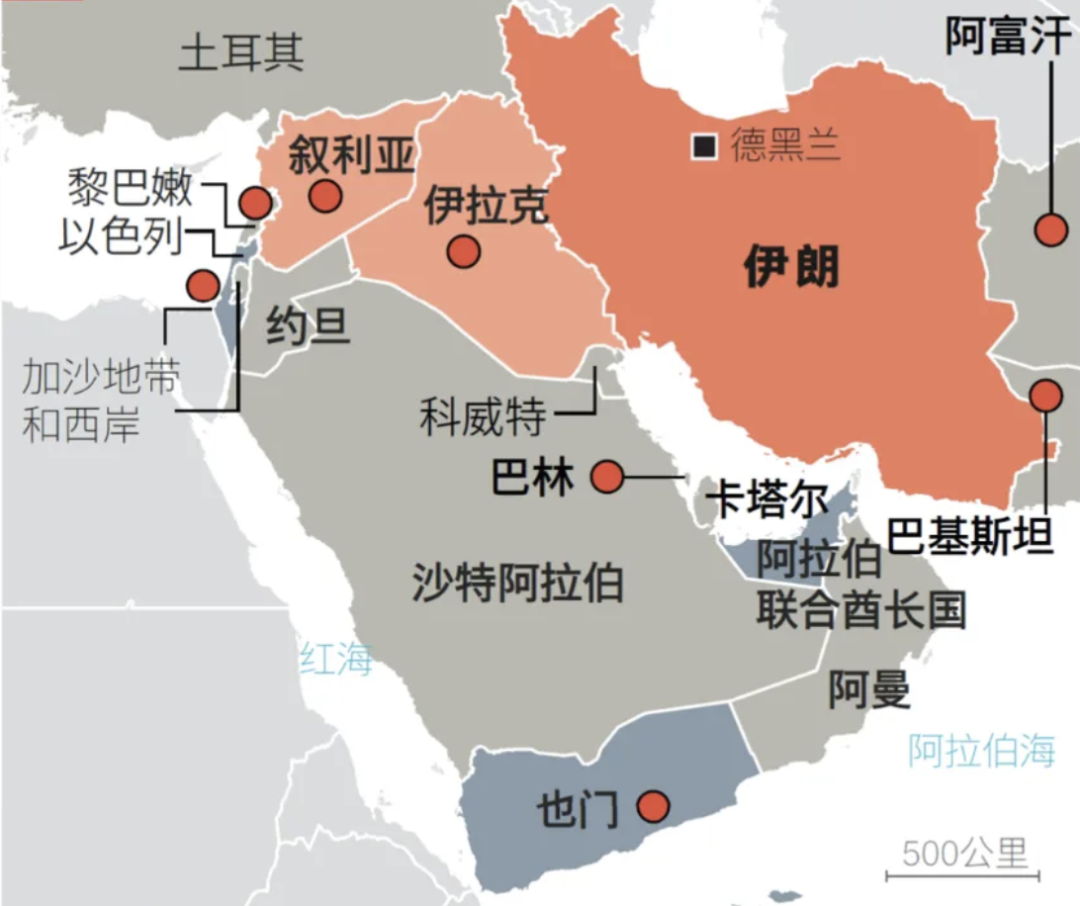
In the face of continued Iranian attacks and harassment, Gulf countries such as Saudi Arabia and the UAE have drastically changed their stance. Saudi Arabia has agreed to let US troops use its air bases and has expelled Iranian diplomats. Kuwait, UAE, Bahrain, Saudi Arabia, Qatar, and Jordan have issued a joint statement condemning Iran’s violation of sovereignty and reserving the right to self-defense. While the Gulf states remain cautious about joining the war, if Iran attacks their key power or water infrastructure, joining the US-Israel camp may become inevitable.
2. Targeting the Bab el-Mandeb Strait—plan B risks are also rising
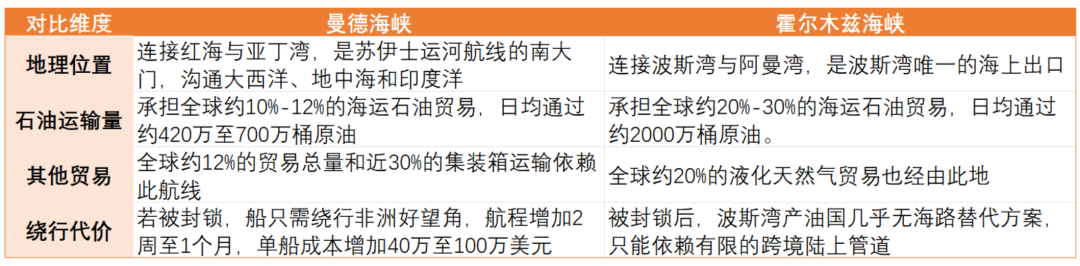
After the Strait of Hormuz was controlled, Saudi Arabia sought an alternative route: transporting crude oil from its eastern production areas along the Persian Gulf coast to the port of Yanbu on the Red Sea via pipelines— from there heading south through the Bab el-Mandeb Strait into the Gulf of Aden, allowing ships to reach the Indian Ocean and eventually major Asian markets, and heading north through the Suez Canal into the Mediterranean toward Europe (fully loaded oil tankers are too deep-draft to cross the Suez Canal directly and must unload at Egypt's Ain Sokhna port for transfer by the SUMED pipeline to Mediterranean ports, which severely limits capacity).
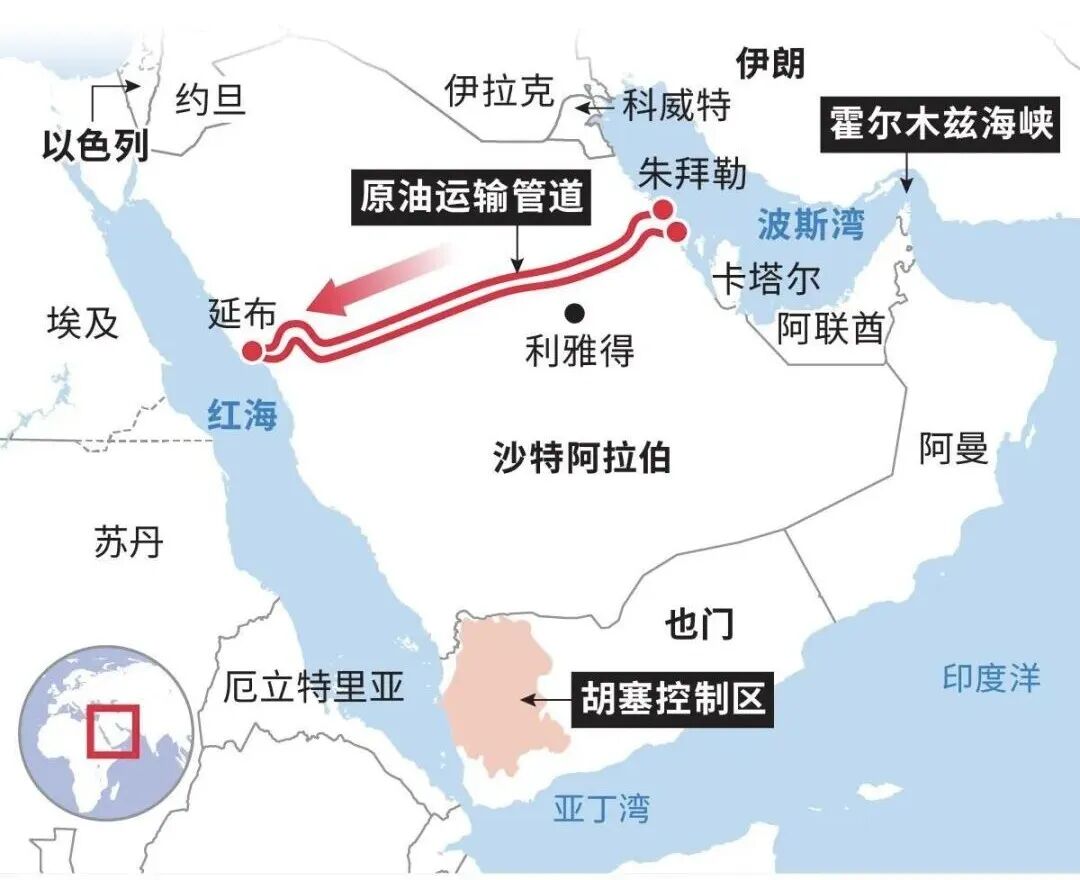
However, the involvement of the Houthi forces has made the Bab el-Mandeb Strait highly vulnerable. If it is also blocked, this "double chokehold" could lead to a global maritime crude supply gap exceeding 24 million barrels per day. Under the pressure of panic sentiment and actual shortages, international oil prices may break through previous highs, and the resulting systemic rise in global energy and logistics costs will further intensify global inflationary pressures.
3. Summary
The Middle East war is like a runaway train crashing through, flattening global risk assets—including FX markets. In the short-term, the USD will undoubtedly be supported by safe haven flows and oil prices, but the complex situation will also make it highly volatile and difficult to handle. The EUR, AUD, and most emerging market currencies will remain under pressure, while JPY and CNY, though also affected, are relatively more resilient. In terms of trading, to hedge persistent escalation risk, consider shorting EURJPY, EURCNY and other crosses.
Disclaimer: The content of this article solely reflects the author's opinion and does not represent the platform in any capacity. This article is not intended to serve as a reference for making investment decisions.
You may also like
Gold falls below $4,200: Triple pressures rise, bears eye $4,000 or even $3,800
Trump Rejects Iran's Proposal for Talks; Global Stocks and Bonds Under Pressure, Oil Prices Up Over 2%, Gold Falls Below 4200
Trump rejected Iran's latest proposal to reopen the Strait of Hormuz, causing the optimistic sentiment in the market last Friday to quickly reverse amidst the Middle East diplomatic stalemate. Brent crude oil rose over 2%, gold fell below $4,200, and silver dropped more than 4%. Asia-Pacific stock markets broadly declined, with South Korea's KOSPI falling over 2%. Global bond markets came under pressure, and the yield on the US 2-year Treasury rose to 4.90%. Market focus will shift to this week's PCE inflation data and the non-farm payroll report.
Indian Rupee starts the week negatively amid higher oil prices
AI demand drives TSMC to accelerate capacity expansion, 2nm monthly production aims for 120,000 wafers by year-end
According to reports, industry giants such as Apple, Nvidia, and AMD have collectively increased their orders by 10% to 20%, directly boosting TSMC's 2nm monthly production capacity to 120,000 wafers by the end of the year, which exceeds the previous estimate by more than 20% and brings forward the 2027 target by two years. For the first time in history, five factories will ramp up production simultaneously, and the annual compound growth rate of capacity from 2026 to 2028 will reach as high as 70%.
Crypto prices
More


