
Should the Fed pay more attention to PPI?

Last night's market movements were quite dramatic—the market was anxiously awaiting the Fed’s interest rate decision in the early hours, only to be blindsided by the explosive PPI released at 9pm.
February’s PPI month-on-month +0.7% (expected +0.3%), exceeding expectations for the fourth consecutive month. Especially notable is that this data does not include any effects from the US-Iran war (post-March), so the PPI may rise further in the future. PPI is usually not a crucial figure, but the financial markets are currently sensitive to anything inflation-related, and this PPI report has detonated like a depth charge, rocking the financial market.
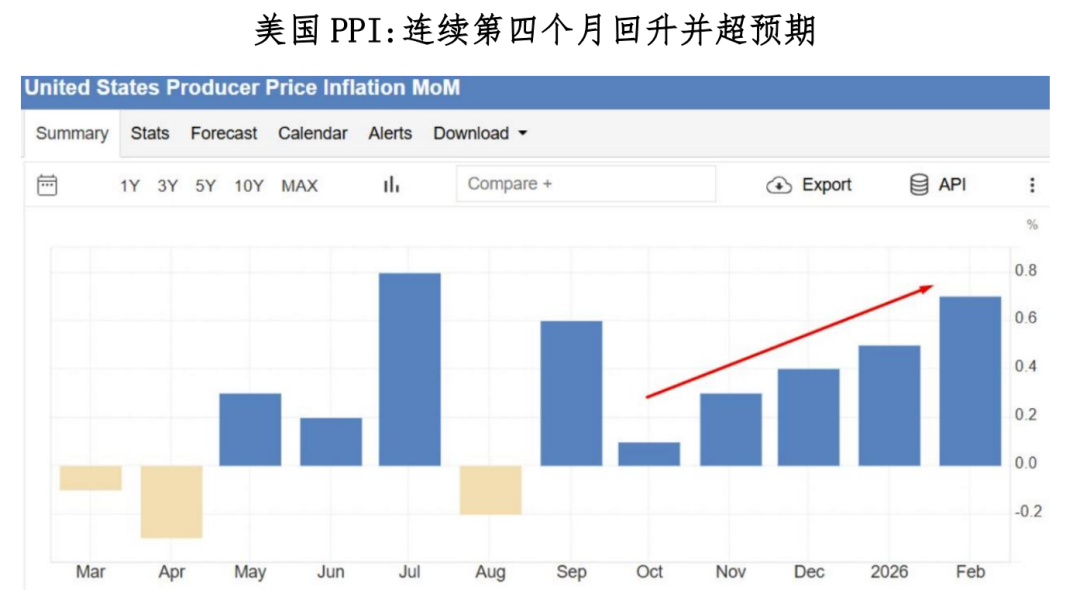
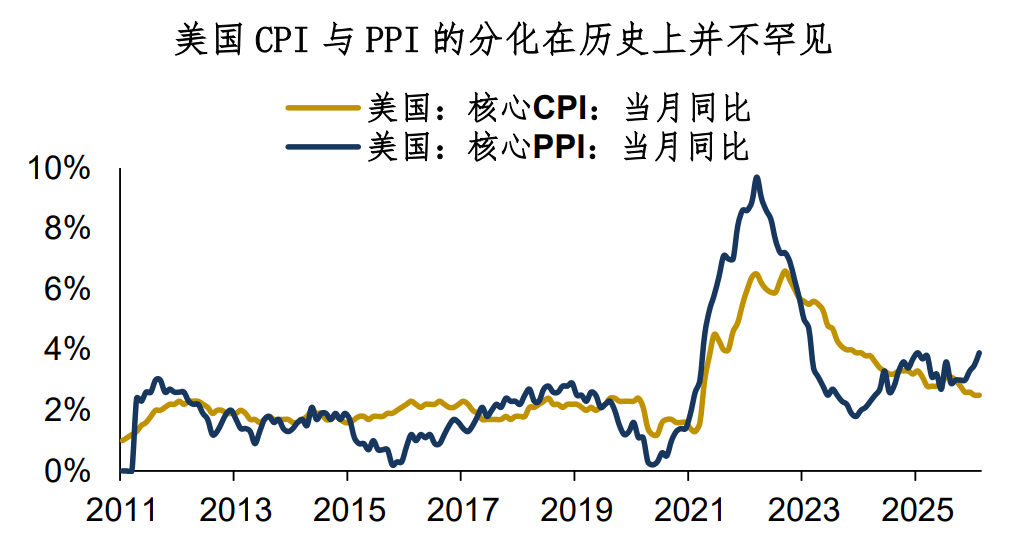
Should the Fed pay more attention to PPI? That depends on how the Fed interprets PPI. Over the past half-year, US inflation data has shown a combination of rising PPI and cooling CPI. This pattern isn’t uncommon in history, mainly occurring in two scenarios:
1. Early stage of the economic cycle. Commodities are already sensing signals of economic ignition (PPI), but broad-based price levels have yet to rise (CPI). Typical cases include 2016-2017, the second half of 2020, and so on.
2. Economic slowdown with supply shocks that are difficult to transmit downstream. Thus, PPI rises, but prices are hard to pass on to the demand and consumer sides, leaving manufacturers to shoulder cost pressures. In this case, it’s difficult for PPI to be passed on to CPI, and corporate profits and hiring tend to contract. There are many historical examples of this as well; this year, companies have absorbed much of the tariff costs (PPI) but have struggled to pass them downstream, and a crucial factor on the CPI side—rental inflation—has also been declining.
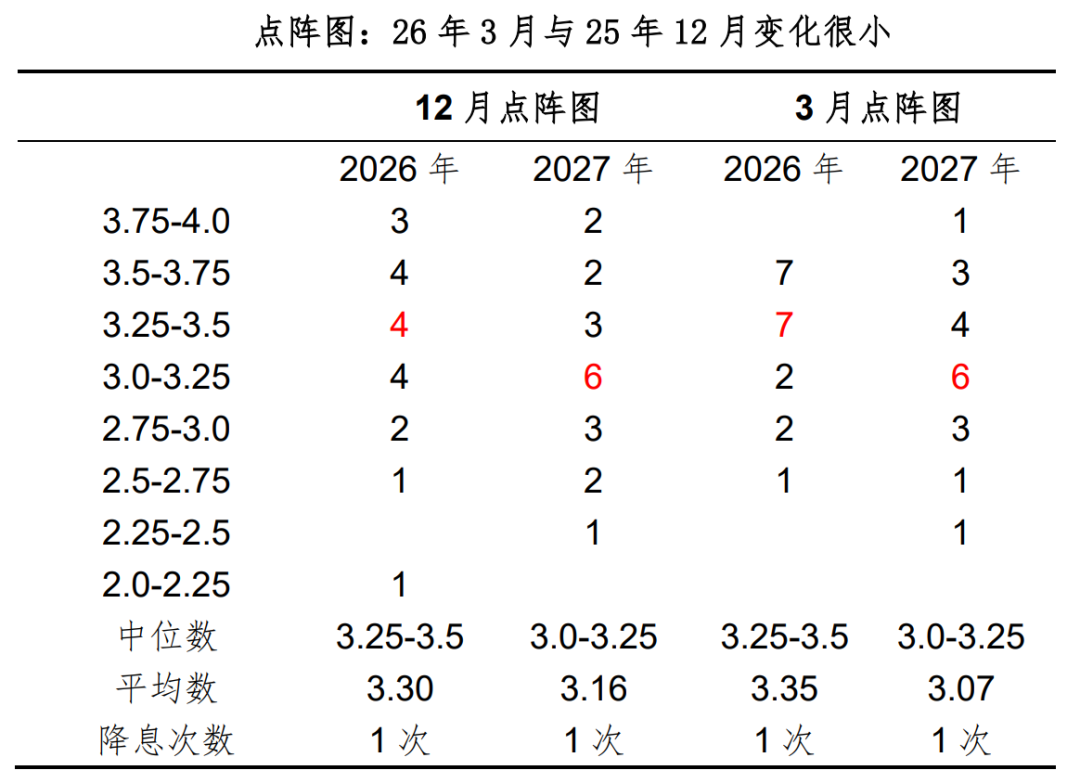
The above analysis is based on theoretical and data-driven observation, but the real key is: How does the Fed see it? Judging from the Fed’s press conference earlier, here’s my summary in one sentence: Inclined to see it as a one-time shock but unwilling to take the blame. Stripping out the already-expected comments, the core concerns are as follows:
1. Energy supply shocks are considered one-off events, with the impact likely to be one-time only;
2. The energy shock can’t be completely ignored (Look through); we must also monitor goods inflation and inflation expectations;
3. We’re nowhere near the “stagflation” levels of the 1970s—this is a qualitative view. From a quantitative perspective, is the Fed more inclined to cut or raise rates? Powell honestly said: we just don't know.
In summary, global PPI is very likely to continue rising, but whether and to what extent it can be passed on to CPI remains to be seen. This is a major macroeconomic issue. Over the past six months, the conclusion has been that transmission is weak, but this judgment has become uncertain with the Middle East conflict and surging oil prices. The Fed’s stance leans toward calling it a one-time shock, but not taking responsibility. On this basis, making the wrong move—either rate hikes or cuts—is easy in the short term, so the best option for Fed officials may be to do nothing; you can’t go wrong if you do nothing.
It’s understandable: although the Fed is quite conflicted, financial market pricing often runs ahead of the Fed. And it’s precisely in moments of unanimous panic that opportunities may start to brew.
To sum up today’s discussion:
1. The market was eagerly awaiting the Fed meeting in the early morning, but the explosive PPI at 9pm stole the spotlight. PPI beat expectations for the fourth straight month, presenting a combination of cooling CPI and rising PPI. Should the Fed pay more attention to PPI?
2. Historically, rising PPI with cooling CPI occurs in two scenarios: 1) Early economic cycle (2016-2017, etc.); 2) Economic slowdown, with supply shocks hard to pass downstream. Over the past six months, the conclusion has been poor transmission, but this assessment has become uncertain with the Middle East conflict and surging oil prices. The Fed tends to view it as a one-off shock but is not willing to take the blame;
3. While rising global PPI is almost certain, whether and to what extent it will be passed to CPI remains a key macro question. It is understandable that although the Fed is conflicted, financial market pricing usually moves ahead. And it’s often when panic is unanimous that new opportunities emerge.
Disclaimer: The content of this article solely reflects the author's opinion and does not represent the platform in any capacity. This article is not intended to serve as a reference for making investment decisions.
You may also like
VVV crypto falls 25% – Could Venice Token’s buy zone be near $20?
As the FSD experience leaps forward and Optimus rushes toward mass production, a $30 billion standby credit facility offers strong support! Tesla (TSLA.US) accelerates Elon Musk's "physical AI master plan"
Tesla has secured $30 billion in new loans and credit lines as the electric vehicle manufacturer is ramping up its investments in artificial intelligence and robotics technology.
Gold price tests trend support as U.S. Treasury yields pull back
30-year US Treasury yield hits highest level since 2002, sell-off may continue under seasonal pressure
On Tuesday, the US 30-year Treasury yield rose to 5.62%, reaching its highest level since 2002, while the 10-year yield briefly touched 5.29%. High oil prices intensifying inflation expectations, robust economic data supporting rate hike expectations, concerns about fiscal sustainability, and a surge in corporate bond supply have collectively driven this round of sell-off. Historical seasonality indicates that September and October are typically the weakest months for US Treasuries, and volatility risk remains high going forward.
Crypto prices
More


